Vascular Surgery: Common Conditions, Symptoms and Treatment Options
Blood vessels carry blood throughout the body, supplying oxygen and nutrients to tissues and organs. When arteries or veins develop problems, circulation may be affected. Some vascular conditions cause visible changes, such as enlarged veins, while others may lead to pain, swelling, or wounds that heal slowly.
Vascular surgery focuses on diagnosing and treating diseases affecting blood vessels. Depending on the condition, treatment may involve lifestyle changes, medicines, compression therapy, minimally invasive procedures, or surgery.
Recognising possible warning signs and seeking timely medical assessment can help patients understand their options.
What Is Vascular Surgery?
Vascular surgery is a medical specialty concerned with conditions affecting arteries, veins, and certain blood vessels outside the heart and brain.
Vascular specialists assess circulation problems and determine whether treatment is needed. Some conditions can be managed without an operation, while others may require a procedure to improve blood flow or address a damaged blood vessel.
The appropriate treatment depends on the diagnosis, severity, symptoms, and overall health of the patient.
Common Conditions Treated by Vascular Specialists
1. Varicose Veins
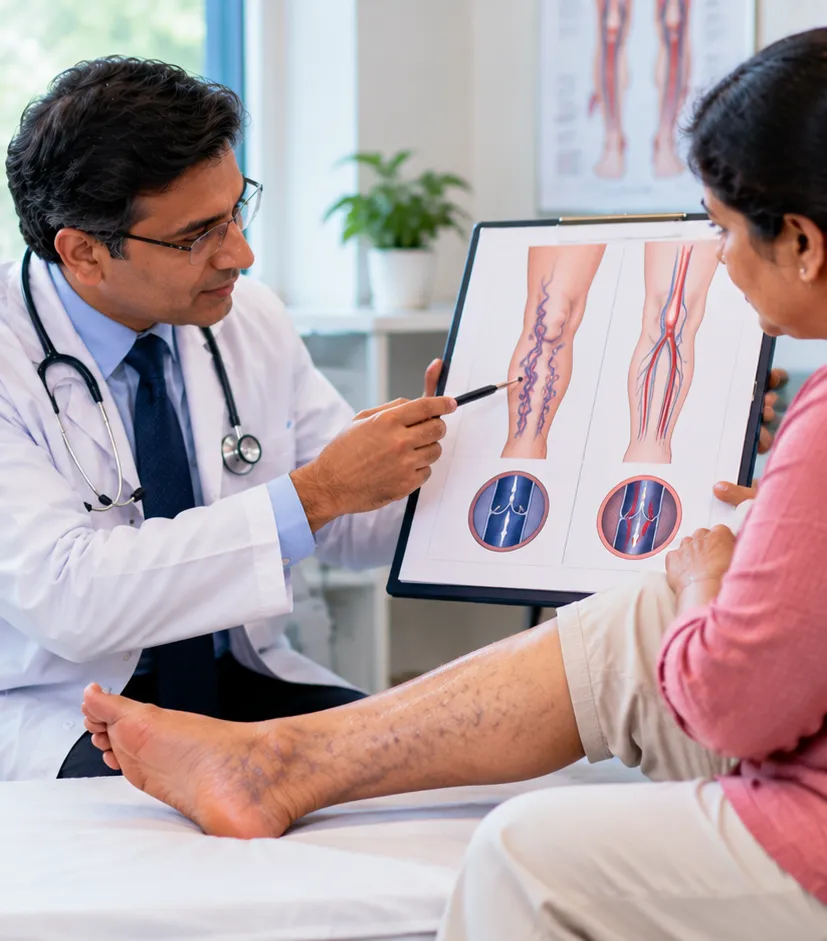
Varicose veins are enlarged, twisted veins that most commonly appear in the legs. They develop when valves within the veins do not function effectively, allowing blood to collect in the veins.
Possible symptoms include:
- Visible enlarged veins.
- Aching or heaviness in the legs.
- Ankle swelling.
- Itching around affected veins.
- Skin changes near the ankles.
Treatment depends on symptoms and examination findings. Options may include physical activity, leg elevation, compression stockings when appropriate, or procedures such as endovenous treatment or other vein interventions.
2. Peripheral Artery Disease
Peripheral artery disease (PAD) occurs when arteries supplying the limbs become narrowed, often because of atherosclerosis.
Some people experience pain or cramping in the legs while walking that improves with rest. Other signs can include coldness in a foot, changes in skin colour, or wounds that heal slowly.
Risk factors include smoking, diabetes, high blood pressure, high cholesterol, and increasing age.
Medical assessment is important because PAD can indicate wider cardiovascular risk. Treatment may include smoking cessation, supervised exercise, medicines, and—in selected cases—procedures to restore blood flow.
3. Deep Vein Thrombosis
Deep vein thrombosis (DVT) occurs when a blood clot forms in a deep vein, often in the leg.
Possible symptoms include swelling, pain, tenderness, warmth, or a change in skin colour in one leg. However, some people have few noticeable symptoms.
Suspected DVT requires urgent medical assessment. If leg swelling or pain occurs with sudden breathlessness, chest pain, coughing up blood, or fainting, seek emergency care because a clot may have travelled to the lungs.
Treatment often involves anticoagulant medicines. Other interventions may be considered in selected cases.
4. Aneurysms
An aneurysm is an abnormal enlargement of a blood vessel wall. Aneurysms may develop in different arteries, including the aorta.
Many aneurysms cause no symptoms and are discovered during imaging for another reason. Management depends on the location, size, growth, symptoms, and risk of rupture.
Sudden severe chest, back, or abdominal pain—particularly with fainting or collapse—may indicate a life-threatening emergency and requires immediate medical care.
5. Poor Circulation and Non-Healing Wounds
Reduced blood flow can contribute to persistent foot or leg wounds, especially in people with diabetes or peripheral artery disease.
Warning signs may include wounds that do not heal, unusual skin colour changes, cold feet, or pain at rest.
A healthcare professional can assess circulation and determine whether further testing or specialist treatment is needed.
When Should You Consult a Vascular Specialist?
Consider seeking medical assessment if you experience:
- Recurrent leg pain while walking.
- Persistent leg or ankle swelling.
- Enlarged veins accompanied by pain or skin changes.
- Wounds on the feet or legs that heal slowly.
- Changes in foot temperature or colour.
- Symptoms that suggest a circulation problem, especially if you have diabetes or a history of smoking.
A clinician can examine your symptoms and medical history before deciding whether referral to a vascular specialist is appropriate.
Seek emergency care for sudden severe limb pain, a suddenly cold or pale limb, new numbness or weakness, or suspected blood clots accompanied by chest symptoms or breathlessness.
How Are Vascular Conditions Diagnosed?
Testing depends on the suspected condition. A vascular specialist may recommend:
- Clinical examination: Assessment of symptoms, skin changes, swelling, pulses, and circulation.
- Doppler ultrasound: Uses sound waves to assess blood flow and can help identify certain clots or vein and artery problems.
- Ankle-brachial index: Compares blood pressure measured at the ankle and arm to help assess peripheral artery disease.
- CT or MR angiography: Imaging that may be used to examine blood vessels in more detail.
- Other investigations: Selected according to the condition and the patient’s clinical findings.
Not every patient needs all these tests. The specialist will choose investigations based on the symptoms and the information needed to plan treatment.
What Treatment Options Are Available?
Treatment varies according to the vascular condition.
Lifestyle Changes and Medical Management
Some patients benefit from stopping smoking, managing diabetes and blood pressure, improving cholesterol levels, and following an appropriate exercise plan. Medicines may be prescribed to manage risk factors or treat specific conditions.
Compression stockings may help selected patients with venous symptoms, but they are not suitable for everyone. A clinician should assess whether compression is appropriate, particularly when arterial circulation may be reduced.
Minimally Invasive Procedures
Some vascular problems can be treated using catheter-based or endovenous techniques. These may involve treating an affected vein or opening a narrowed artery through a small access point.
The procedure selected depends on the anatomy, diagnosis, and expected benefits and risks.
Vascular Surgery
An operation may be recommended for selected conditions when the expected benefits outweigh the risks. Examples include certain aneurysms, severe circulation problems, or vascular conditions that cannot be managed adequately with other treatments.
Surgery is not required for every vascular condition. A specialist should explain available options and why a particular approach is recommended.
What Can You Expect During Recovery?
Recovery depends on the condition and the treatment performed. Some procedures allow a relatively quick return to daily activities, while major vascular operations may require a longer hospital stay and rehabilitation.
Your care team may provide guidance on wound care, activity, medicines, follow-up imaging, and management of risk factors.
After treatment, attend recommended appointments and seek medical advice if you develop worsening pain, increasing swelling, fever, wound discharge, or other unexpected symptoms.
Frequently Asked Questions
Is vascular surgery always necessary for varicose veins?
No. Some people can manage symptoms with conservative measures, while others may benefit from a procedure. Treatment depends on symptoms, vein assessment, and individual circumstances.
Is leg pain always caused by poor circulation?
No. Leg pain can result from muscles, joints, nerves, veins, or arteries. A clinical assessment can help identify the cause.
Can vascular disease occur in people with diabetes?
Yes. Diabetes increases the risk of blood vessel disease, including peripheral artery disease. Regular foot checks and appropriate management of cardiovascular risk factors are important.
Which test checks blood circulation in the legs?
A Doppler ultrasound may assess blood flow. An ankle-brachial index can help screen for peripheral artery disease. The appropriate test depends on the symptoms and examination.
When is vascular disease an emergency?
Sudden severe limb pain, a cold or pale limb, new numbness or weakness, or symptoms suggesting a pulmonary embolism or ruptured aneurysm require emergency assessment.
Conclusion
Vascular surgery deals with a range of conditions affecting arteries and veins, from symptomatic varicose veins to serious circulation problems. Symptoms such as persistent leg swelling, pain while walking, or non-healing wounds deserve medical attention.
Early assessment helps identify the underlying problem and determine whether lifestyle measures, medicines, minimally invasive treatment, or surgery may be appropriate. Seek urgent care for sudden or severe symptoms that could indicate a vascular emergency.