Hernia: Types, Symptoms, Causes, Diagnosis and Treatment Options
A hernia develops when an internal tissue or organ pushes through a weak area in the surrounding muscle or connective tissue. It commonly appears as a bulge in the abdomen, groin or around the belly button. Some hernias cause discomfort or pain, while others may initially have no noticeable symptoms.
Hernias can affect people of different ages. Depending on their type, size, symptoms and the patient’s overall health, treatment may involve monitoring or surgical repair.
For people looking for hernia treatment in Ludhiana, understanding the warning signs, diagnostic process and available surgical options can help them make informed decisions with a qualified surgeon.
What Is a Hernia?
A hernia occurs when tissue, such as part of the intestine or abdominal fat, protrudes through a weak spot or opening in the muscle or connective tissue that normally holds it in place.
A hernia may appear as a visible or noticeable lump. It can become more prominent when a person stands, coughs, bends, strains or lifts something. Some bulges become smaller when the person lies down.
Although a hernia may not always cause pain, it should be medically assessed to determine its type and whether treatment is needed.
What Are the Different Types of Hernia?
Hernias are classified according to the area where they develop. Common types include:
1. Inguinal Hernia
An inguinal hernia develops in the groin when tissue pushes through a weak area in the lower abdominal wall. It is one of the most common types of abdominal wall hernia and occurs more frequently in men.
Symptoms may include a groin bulge, discomfort while coughing or lifting, and a dragging or heavy sensation.
2. Umbilical Hernia
An umbilical hernia develops near the belly button when tissue protrudes through a weakened area around the navel.
It may cause a visible swelling that becomes more noticeable during coughing, straining or physical activity.
3. Incisional Hernia
An incisional hernia develops at or near the site of a previous abdominal surgery. It can occur when the abdominal wall does not heal with sufficient strength after an operation.
Patients may notice swelling around an old surgical scar.
4. Femoral Hernia
A femoral hernia occurs when tissue protrudes through a weak area near the upper thigh and groin. It is less common than an inguinal hernia and occurs more frequently in women.
Femoral hernias require medical assessment because they have a relatively higher risk of complications such as obstruction or strangulation.
5. Epigastric Hernia
An epigastric hernia develops in the upper middle portion of the abdomen, between the breastbone and belly button. It may cause a small lump or local discomfort.
6. Hiatal Hernia
A hiatal hernia develops when part of the stomach moves upward through the diaphragm into the chest cavity.
Unlike most abdominal wall hernias, it may not cause an external lump. Some people experience acid reflux, heartburn or difficulty swallowing, while others have no symptoms.
What Are the Common Symptoms of a Hernia?
Hernia symptoms vary depending on the location, size and severity of the condition.
Common signs include:
- A visible or noticeable lump in the abdomen, groin or near the belly button
- Swelling that becomes more prominent when coughing or straining
- Pain or discomfort around the affected area
- A feeling of heaviness or pressure in the abdomen or groin
- Discomfort while bending, lifting or performing physical activities
- Burning or aching sensations near the bulge
Some hernias may not cause any pain. However, a painless swelling should not automatically be considered harmless.
A medical examination can help identify the type of hernia and determine whether treatment is necessary.
What Causes a Hernia?
A hernia generally develops when a weak area in the muscle or connective tissue allows internal tissue to push through.
Some people have a weakness present from birth, while others develop a hernia over time.
Factors that may contribute to hernia development include:
- Age-related weakening of muscles and connective tissue
- Previous abdominal surgery
- Pregnancy and increased abdominal pressure
- Persistent coughing
- Chronic constipation and repeated straining
- Excess body weight
- Certain inherited or connective tissue conditions
- Activities that increase pressure within the abdomen
Heavy lifting may make an existing hernia more noticeable or aggravate symptoms. However, hernias do not have a single cause, and their development depends on several individual factors.
When Should You Consult a Surgeon for a Hernia?
You should arrange a medical assessment if you notice a new swelling or bulge around your abdomen, groin or belly button.
A consultation is particularly important when:
- The swelling is increasing in size.
- You experience repeated pain or discomfort.
- The bulge becomes more noticeable during physical activity.
- You have previously undergone abdominal surgery.
- The swelling interferes with your daily activities.
- You experience recurring discomfort while coughing, bending or lifting.
An early assessment can help identify the type of hernia and discuss appropriate treatment options.
Warning Signs That Need Emergency Medical Attention
A hernia can occasionally become trapped or strangulated.
- Incarcerated hernia: The protruding tissue becomes trapped and cannot return to its normal position.
- Strangulated hernia: The blood supply to the trapped tissue becomes compromised. This is a medical emergency.
Seek emergency medical care immediately if you experience:
- Sudden or severe pain around the hernia
- A bulge that becomes hard, very tender or cannot be reduced
- Red, purple or dark discolouration over the swelling
- Nausea or repeated vomiting
- Abdominal swelling or bloating
- Inability to pass stool or gas
- Fever along with a painful hernia
Do not delay emergency assessment if these symptoms occur.
How Is a Hernia Diagnosed?
Hernia diagnosis generally begins with a medical history and physical examination.
The surgeon may ask about your symptoms, when the swelling first appeared, whether it changes during physical activity and whether you have undergone previous surgery.
The diagnostic process may include:
1. Physical Examination
The surgeon examines the affected area and may ask you to stand, cough or strain gently to check whether a bulge becomes visible.
2. Ultrasound
An ultrasound examination may be recommended when the diagnosis is uncertain or the hernia is not easily visible during a physical examination.
3. CT Scan
A CT scan may help assess complex abdominal wall hernias, recurrent hernias or suspected complications when additional imaging is needed.
Not every patient requires imaging. The appropriate investigation depends on the examination findings and clinical situation.
What Are the Treatment Options for Hernia?
Hernia treatment depends on the type, size, symptoms, risk of complications and the patient’s overall health.
1. Observation and Medical Monitoring
Some hernias, particularly certain minimally symptomatic inguinal hernias in men, may be monitored under medical supervision rather than repaired immediately.
This approach is sometimes called watchful waiting.
It does not mean ignoring the condition. Patients should understand the warning signs and attend follow-up appointments as advised.
2. Open Hernia Surgery
Open hernia repair involves making an incision near the affected area to access and repair the weakness in the abdominal wall.
The surgeon places the protruding tissue back into its appropriate position and repairs the defect. Surgical mesh may be used to reinforce the weakened area when appropriate.
3. Laparoscopic Hernia Surgery
Laparoscopic hernia repair is a minimally invasive technique performed using a small camera and specialised surgical instruments introduced through small incisions.
The surgeon repairs the hernia from inside the abdominal wall. Mesh is commonly used for reinforcement in many laparoscopic repairs.
Potential advantages in appropriately selected patients may include:
- Smaller surgical incisions
- Less wound-related discomfort in some cases
- Reduced wound size
- Potentially quicker return to normal activities
- The ability to assess and repair certain hernias on both sides during the same operation
However, laparoscopic surgery is not suitable for every patient. The choice between open and laparoscopic repair depends on the hernia type, previous operations, medical history and surgeon’s assessment.
Open Hernia Surgery vs Laparoscopic Hernia Surgery
Both techniques are used to repair hernias. The appropriate method depends on the individual case.
| Feature | Open Hernia Repair | Laparoscopic Hernia Repair |
|---|---|---|
| Surgical approach | Incision near the hernia | Small incisions in the abdomen |
| Instruments | Direct surgical access | Camera and specialised instruments |
| Anaesthesia | Depends on the procedure and patient | Usually general anaesthesia |
| Mesh | Often used when appropriate | Commonly used in many repairs |
| Recovery | Depends on the repair and patient | May offer faster recovery in selected cases |
| Suitability | Used for many types of hernia | Depends on hernia type and medical history |
Neither method is automatically best for everyone. A surgeon can explain the expected benefits, limitations and risks of each approach.
What Happens After Hernia Surgery?
Recovery depends on the type of hernia, the surgical technique, the patient’s general health and whether complications occur.
After surgery, patients generally receive instructions about:
- Wound care and keeping the surgical site clean
- Prescribed medication and pain management
- Gradually increasing walking and daily activity
- Avoiding heavy lifting until medically cleared
- Returning to work and exercise
- Attending follow-up appointments
Some patients return to routine activities relatively quickly, while others require a longer recovery period.
Follow your surgeon’s individual instructions rather than comparing your recovery with someone else’s experience.
Can a Hernia Be Prevented?
Not all hernias can be prevented because some develop due to natural or inherited weaknesses in the abdominal wall.
However, certain habits may help reduce strain and support general health:
- Maintain a healthy body weight.
- Avoid smoking.
- Manage persistent coughing with appropriate medical care.
- Address chronic constipation.
- Follow correct lifting techniques.
- Follow post-operative activity instructions after abdominal surgery.
- Seek medical advice about repeated abdominal or groin discomfort.
These measures do not guarantee prevention, but they may help reduce some contributing risk factors.
Why Is an Individual Hernia Assessment Important?
Not every hernia requires the same treatment. An inguinal hernia, an incisional hernia and an umbilical hernia differ in location, anatomy and possible complications.
The surgeon considers several factors before recommending treatment, including:
- Type and location of the hernia
- Size of the abdominal wall defect
- Presence and severity of symptoms
- Previous abdominal operations
- General health and existing medical conditions
- Suitability for open or laparoscopic repair
A personalised assessment helps patients understand the available options and make informed decisions.
Hernia Treatment Consultation in Ludhiana
People experiencing an abdominal or groin bulge should seek medical assessment rather than relying on self-diagnosis.
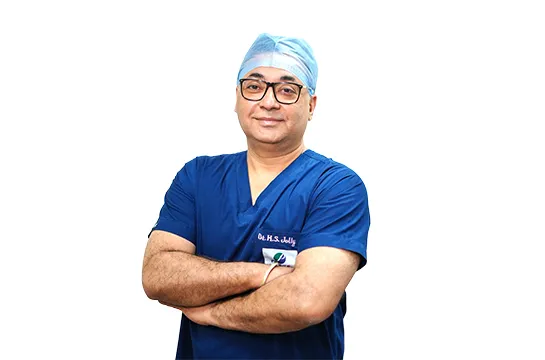
Dr. Harpreet Singh Jolly is the Director and Chief Consultant at Prolife Hospital, Ludhiana, with experience in laparoscopic, gastrointestinal and general surgery.
Patients can consult the surgical team to discuss hernia symptoms, diagnostic evaluation and suitable treatment options, including open and laparoscopic approaches where appropriate.
Hospital: Prolife Hospital
Location: Village Gill, Malerkotla Road, Ludhiana, Punjab, India
To learn more about hernia surgery and available treatment options, visit the hospital’s hernia treatment page or contact the hospital to enquire about an appointment.
Frequently Asked Questions About Hernia
1. What is the first sign of a hernia?
A visible or noticeable bulge in the abdomen, groin or near the belly button is a common sign. Some people also experience pain, pressure or discomfort, particularly while coughing, bending or lifting.
2. Can a hernia heal without surgery?
Most adult abdominal wall hernias do not close permanently on their own. Some minimally symptomatic hernias may be monitored under medical supervision. The appropriate approach depends on the type of hernia and the patient’s condition.
3. Is every hernia painful?
No. Some hernias cause no pain and are discovered during routine examinations. Others cause discomfort, heaviness or pain during physical activity.
4. Is laparoscopic hernia surgery better than open surgery?
Neither approach is universally better. Laparoscopic repair may offer recovery advantages in selected cases, while open repair may be more appropriate in others. The surgeon recommends an approach based on the patient’s condition and medical history.
5. Is mesh always required during hernia surgery?
Mesh is commonly used in many adult hernia repairs to reinforce the weakened area. However, its use depends on the type of hernia, surgical technique and individual circumstances. Discuss the benefits and potential risks with your surgeon.
6. How long does it take to recover from hernia surgery?
Recovery varies depending on the procedure, hernia size, surgical technique and general health. Your surgeon will advise when you can return to work, exercise, driving and heavy physical activity.
7. Can a hernia come back after surgery?
Yes. A hernia can recur after repair, although the likelihood depends on several factors, including the hernia type, repair technique, patient health and healing. Follow-up care is important.
8. When does a hernia become an emergency?
Sudden severe pain, vomiting, abdominal swelling, a hard or discoloured bulge, or inability to pass stool or gas can indicate a serious complication. Seek emergency medical attention immediately.
9. Which doctor should I consult for a hernia?
A general surgeon with experience in hernia repair can assess the condition and explain suitable treatment options. The appropriate specialist depends on the hernia type and complexity.
10. Where can I consult for hernia treatment in Ludhiana?
Patients can enquire about surgical consultation at Prolife Hospital, Village Gill, Malerkotla Road, Ludhiana, Punjab.
Medical Disclaimer
This article is intended for general educational purposes and does not replace a medical consultation, diagnosis or personalised treatment advice. Hernia symptoms and treatment requirements vary between individuals. Consult a qualified medical professional for an assessment. Seek emergency care if you experience symptoms of a trapped or strangulated hernia.
Author: Dr. Harpreet Singh Jolly
Professional role: Director & Chief Consultant, Prolife Hospital, Ludhiana