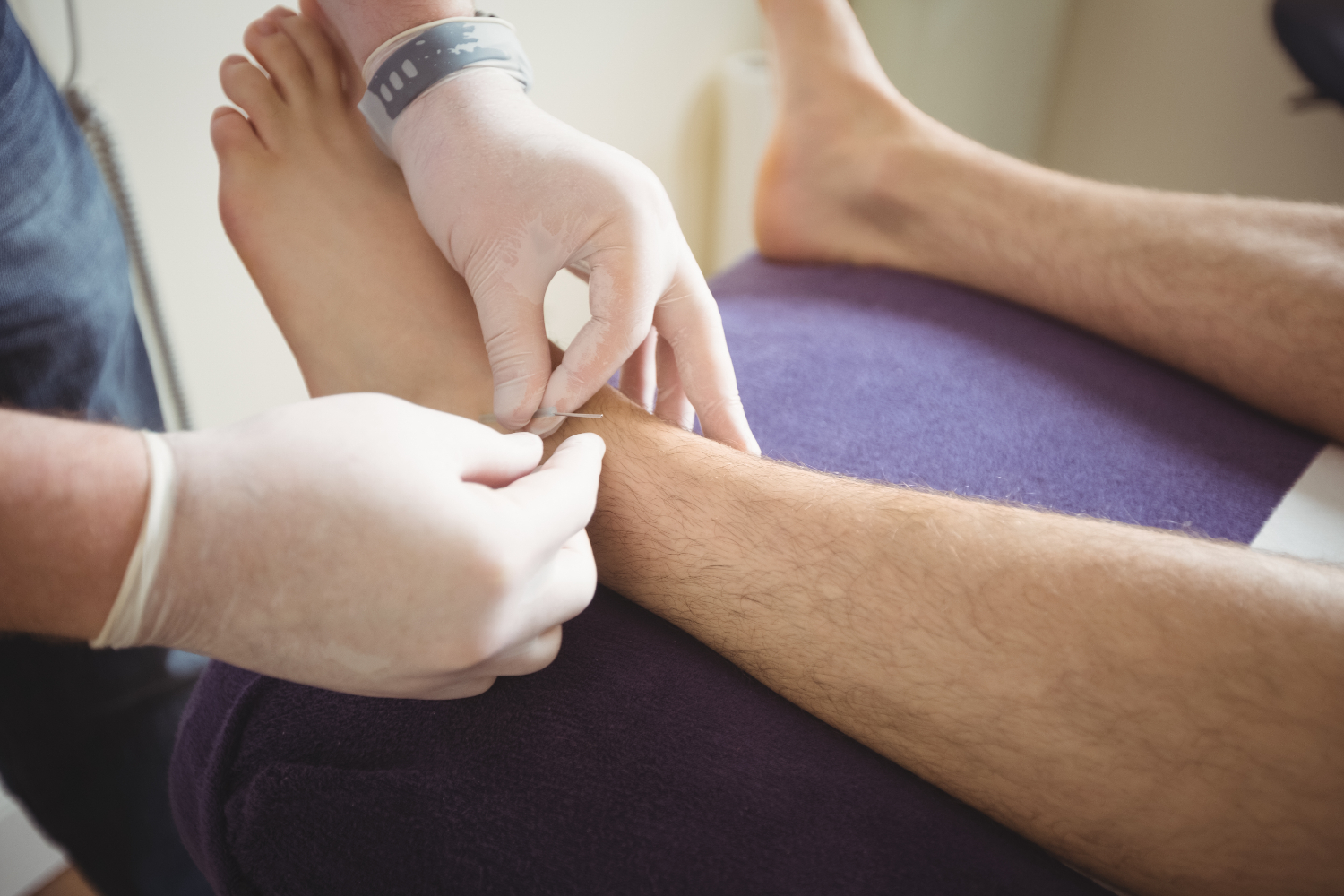
Diabetic Foot Treatment & Surgery in Ludhiana
Diabetes can affect the nerves and blood vessels in the feet, increasing the risk of wounds, ulcers, infections and delayed healing. A small cut, blister or pressure injury may become more difficult to heal when diabetes is associated with nerve damage or poor blood circulation.
Early assessment and appropriate treatment can help reduce the risk of complications and support foot health and mobility.
At Prolife Hospital, Ludhiana, Dr. Harpreet Singh Jolly provides surgical evaluation and treatment for diabetic foot conditions, with an approach focused on wound management, infection control, assessment of circulation and limb preservation whenever clinically appropriate.
What Is a Diabetic Foot?
A diabetic foot problem can develop when diabetes contributes to nerve damage, reduced sensation, poor circulation or infection.
Nerve damage, known as diabetic neuropathy, may reduce the ability to feel pain, heat or pressure. As a result, an injury may go unnoticed. Reduced blood circulation can also affect the body’s ability to heal wounds effectively.
For this reason, people with diabetes should pay close attention to changes in their feet and seek medical advice when wounds or other problems develop.
Common Signs of Diabetic Foot Problems
You should seek medical evaluation if you notice:
- A foot ulcer or wound that is not healing
- Redness or swelling
- Increased warmth around a wound
- Pain or tenderness
- Numbness or reduced sensation
- Discharge or signs of infection
- Skin colour changes
- Blackened or damaged tissue
- Persistent foot swelling
- Difficulty walking because of foot pain or a wound
People with diabetes should not ignore a wound simply because it initially appears small.
Diabetic Foot Conditions Treated
Depending on the patient’s condition, diabetic foot care may involve evaluation and treatment of:
- Diabetic foot ulcers
- Non-healing wounds
- Foot infections
- Diabetic neuropathy-related foot problems
- Poor circulation associated with diabetes
- Peripheral artery disease
- Gangrene
- Charcot foot
- Tissue damage requiring surgical treatment
- Complications requiring limb-preserving treatment
The appropriate treatment depends on the severity of the wound, blood circulation, presence of infection, nerve function and the patient’s overall health.
How Is Diabetic Foot Treatment Planned?
Treatment begins with a detailed assessment of the patient’s foot and overall health.
Depending on the condition, your doctor may evaluate:
- The size and depth of the wound
- Signs of infection
- Blood circulation
- Sensation and nerve function
- Blood sugar control
- The condition of surrounding tissue
- Possible involvement of deeper tissues or bone
Additional investigations may be recommended when clinically necessary.
The treatment plan is then tailored to the patient’s condition. It may include wound care, infection management, pressure relief, treatment of circulation problems or surgery when required.
Wound Care and Diabetic Foot Treatment
Not every diabetic foot problem requires surgery.
Depending on the condition, treatment may involve:
- Regular wound cleaning and dressing
- Removal of unhealthy or infected tissue when required
- Treatment of infection
- Pressure relief and appropriate footwear
- Management of blood sugar levels
- Treatment of circulation problems
- Monitoring of wound healing
- Surgical treatment when conservative treatment is not sufficient
Your doctor will determine the appropriate treatment after examining the wound and identifying the underlying cause.
When Is Surgery Needed for a Diabetic Foot?
Surgery may be considered when a diabetic foot condition cannot be adequately managed with conservative treatment.
Depending on the individual case, surgical treatment may be required for:
- Severe or spreading infection
- Abscess formation
- Extensive dead or damaged tissue
- Certain cases of gangrene
- Deep wounds involving underlying structures
- Bone infection in selected patients
- Severe circulation-related complications
- Tissue that cannot heal without surgical intervention
The objective is to control the underlying problem and preserve as much healthy tissue and function as medically possible.
Limb Preservation and Diabetic Foot Care
When a diabetic foot problem becomes severe, preserving the affected limb may become an important part of treatment planning.
This requires identifying and treating the factors preventing healing, which may include infection, pressure, poor circulation or damaged tissue.
Where clinically appropriate, treatment may focus on controlling infection, improving wound care, addressing circulation problems and removing only unhealthy tissue.
If amputation becomes medically necessary, the extent of surgery is determined according to the patient’s condition and the amount of healthy tissue that can safely be preserved.
Why Early Treatment Matters
Early medical assessment may help:
- Identify infections before they become more extensive
- Support wound healing
- Address circulation problems
- Reduce the risk of complications
- Preserve mobility
- Protect healthy foot tissue
People with diabetes should seek prompt medical attention for wounds, ulcers, increasing redness, swelling, discharge, blackened tissue or other significant changes in the foot.
Diabetic Foot Prevention Tips
People with diabetes can take several steps to protect their feet:
- Check your feet regularly for cuts, blisters, swelling or skin changes.
- Keep your feet clean and dry.
- Wear properly fitting footwear.
- Avoid walking barefoot, particularly if you have reduced sensation.
- Avoid using sharp objects to remove corns or calluses.
- Follow your doctor’s advice regarding blood sugar management.
- Seek medical attention for wounds that do not heal or show signs of infection.
- Attend regular medical reviews when recommended.
If you have reduced sensation in your feet, regular foot assessment can be particularly important.
Why Choose Dr. Harpreet Singh Jolly?
Dr. Harpreet Singh Jolly is a senior surgeon and Director & Chief Consultant at Prolife Hospital, Ludhiana.
He has more than 20 years of surgical experience and has performed over 20,000 surgeries. His areas of surgical expertise include advanced laparoscopic, bariatric, gastrointestinal and general surgery, along with the evaluation and surgical management of selected diabetic foot conditions.
Patients receive an individualised treatment plan based on:
- The severity of the foot problem
- The condition of the wound
- Presence of infection
- Blood circulation
- Overall medical health
- Whether surgical treatment is required
The aim is to provide appropriate treatment while preserving foot function and mobility whenever clinically possible.
What to Expect During Your Consultation
During your consultation, Dr. Jolly will:
- Review your symptoms and medical history
- Examine the affected foot
- Assess the wound and surrounding tissue
- Consider circulation and nerve-related factors
- Review relevant investigations
- Explain the diagnosis and treatment options
- Discuss whether surgery is necessary
- Explain expected recovery and follow-up
Not every diabetic foot condition requires surgery. Treatment is recommended according to the patient’s individual clinical needs.
Frequently Asked Questions
Can diabetic foot ulcers heal?
Yes. Many diabetic foot ulcers can heal with appropriate treatment. Healing depends on factors such as wound severity, infection, circulation, blood sugar control, pressure on the affected area and the patient’s overall health.
When should I see a doctor for a diabetic foot wound?
You should seek medical advice promptly if you have a wound that is not healing, increasing redness or swelling, discharge, significant pain, blackened tissue, fever or other signs of infection.
When is diabetic foot surgery required?
Surgery may be required when there is severe infection, dead or damaged tissue, an abscess, certain bone infections, serious circulation problems or another complication that cannot be adequately treated with non-surgical care.
Can diabetic foot problems be prevented?
The risk can be reduced through good diabetes management, regular foot checks, appropriate footwear, avoiding barefoot walking when sensation is reduced and seeking early treatment for injuries or wounds.
What is diabetic foot ulcer treatment?
Treatment depends on the cause and severity of the ulcer. It may include wound care, pressure relief, infection treatment, management of circulation problems and surgery when clinically necessary.
Can a diabetic foot wound lead to amputation?
Severe infection, extensive tissue damage, gangrene or serious circulation problems can sometimes result in the need for amputation. Early assessment and appropriate treatment may help reduce the risk of severe complications.
Does every diabetic foot ulcer require surgery?
No. Some ulcers can be managed with wound care, pressure relief, infection treatment and management of underlying medical problems. Surgery is considered when it is clinically necessary.
Where can I get diabetic foot treatment in Ludhiana?
Dr. Harpreet Singh Jolly provides evaluation and surgical treatment for selected diabetic foot conditions at Prolife Hospital, Ludhiana. The appropriate treatment depends on the patient’s individual condition and clinical assessment.
Need Diabetic Foot Treatment in Ludhiana?
If you have a non-healing wound, ulcer, swelling, redness, infection, numbness or skin discoloration of the foot, seek medical evaluation promptly.
Consult Dr. Harpreet Singh Jolly at Prolife Hospital, Ludhiana, for an assessment and personalised treatment plan.