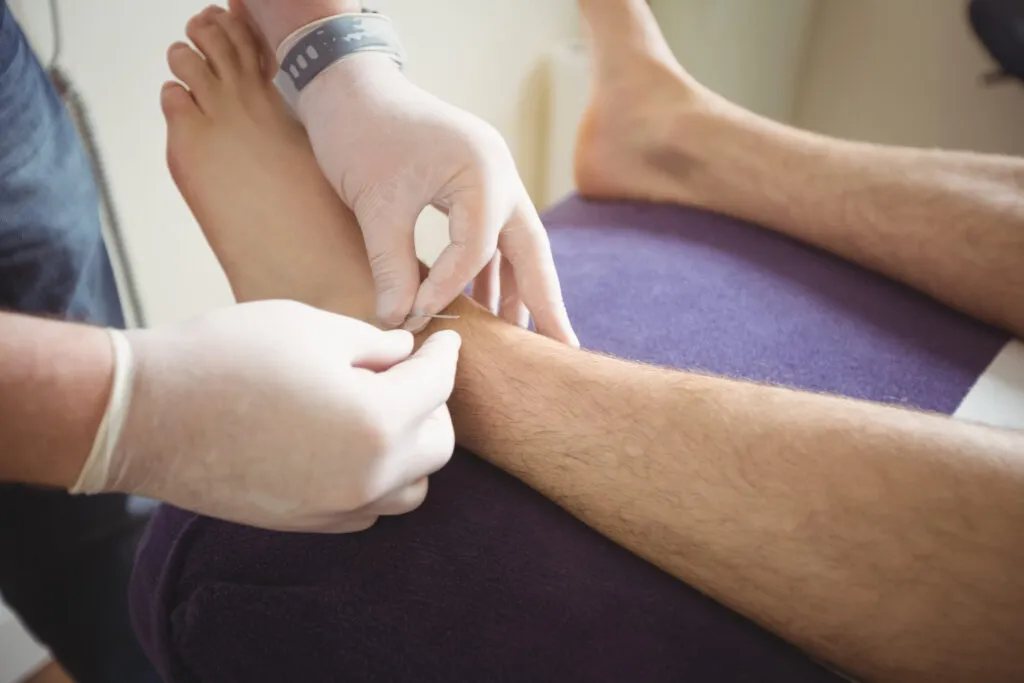
Diabetic Foot Treatment & Surgery in Ludhiana
Diabetes can damage the nerves and blood vessels in the feet, increasing the risk of wounds, ulcers, infections, and delayed healing. Reduced sensation may allow a small cut, blister, or pressure injury to go unnoticed and become more serious over time. Poor blood circulation can further affect the body’s ability to heal wounds.
Without timely treatment, severe diabetic foot infections or tissue damage can lead to serious complications, including gangrene and, in some cases, amputation. Early assessment and appropriate treatment are important for protecting the foot, preserving mobility, and reducing the risk of complications.
At Prolife Hospital, Ludhiana, Dr. Harpreet Singh Jolly provides evaluation and treatment for diabetic foot conditions, with a focus on wound care, infection management, assessment of blood circulation, limb preservation, and surgical treatment when clinically required.
What Is a Diabetic Foot?
A diabetic foot problem can develop when diabetes causes nerve damage (diabetic neuropathy), reduced blood circulation, infection, or a combination of these factors.
Nerve damage can reduce sensation in the feet, making it difficult to notice injuries such as cuts, blisters, burns, or pressure-related wounds. Reduced blood flow can delay healing and increase the risk of infection. In some patients, these problems can progress to ulcers, tissue damage, or gangrene.
Early medical assessment can help identify the underlying cause and determine the appropriate treatment.
Common Signs of a Diabetic Foot Problem
Seek medical attention if you notice:
A foot ulcer or wound that is not healing
Redness, swelling, or increased warmth
Pus or other discharge from a wound
Increasing foot pain or tenderness
Numbness or loss of sensation
Skin colour changes
Blackened skin or signs of gangrene
Persistent or recurrent foot infection
A change in the shape of the foot
Difficulty walking because of foot pain or weakness
A diabetic foot wound should not be ignored, even if it appears small or painless.
Diabetic Foot Conditions Treated
Diabetic foot care may include evaluation and treatment of:
Diabetic foot ulcers
Diabetic foot infections
Peripheral Artery Disease (PAD)
Reduced blood circulation to the feet
Gangrene
Charcot foot
Chronic non-healing wounds
Pressure-related foot wounds
Complex diabetic foot conditions requiring surgical evaluation
Limb preservation and wound care
Treatment depends on the cause and severity of the problem, the condition of the wound, blood supply, presence of infection, nerve function, and the patient’s overall health.
How Is a Diabetic Foot Problem Evaluated?
A detailed assessment is important because diabetic foot problems can have more than one underlying cause.
Depending on the condition, evaluation may include:
Examination of the wound and surrounding skin
Assessment of sensation and nerve function
Evaluation of foot pulses and blood circulation
Assessment for infection
Blood tests when required
Imaging or other investigations when bone or deeper tissue involvement is suspected
Vascular assessment when reduced blood flow is suspected
The findings help determine whether treatment should focus on wound care, infection control, pressure relief, improving blood supply, surgery, or a combination of approaches.
Diabetic Foot Treatment
Treatment depends on the underlying cause and severity of the condition. Depending on the patient’s needs, treatment may include:
Wound Care
Cleaning, dressing, monitoring, and appropriate wound management can support healing and help prevent the wound from becoming infected.
Infection Treatment
If infection is present, treatment may include appropriate antibiotics, wound care, drainage of infected material, or surgery depending on the severity and depth of the infection.
Pressure Relief
Reducing pressure on an ulcer or affected area is an important part of diabetic foot care. Appropriate footwear, off-loading devices, or other measures may be recommended depending on the wound and location.
Blood Circulation Assessment
Poor circulation can delay wound healing. When reduced blood flow is suspected, vascular assessment may be required to determine whether further treatment is needed.
Surgical Treatment
Surgery may be required for selected patients with severe infection, abscesses, dead or infected tissue, gangrene, deep tissue involvement, or other complications that cannot be adequately treated with non-surgical care.
The goal is to control the underlying problem, protect healthy tissue, and preserve the limb whenever clinically possible.
What Is Limb Preservation?
Limb preservation refers to a coordinated approach aimed at preventing avoidable tissue loss and reducing the risk of major amputation.
Depending on the patient’s condition, limb-preservation treatment may involve wound care, infection management, pressure relief, blood circulation assessment and treatment, diabetes management, and surgical procedures when required.
Not every diabetic foot problem requires surgery or amputation. Early assessment and appropriate treatment can be important in reducing the risk of serious complications.
Why Choose Dr. Harpreet Singh Jolly?
Dr. Harpreet Singh Jolly provides surgical evaluation and treatment for complex conditions and focuses on personalised treatment planning based on each patient’s condition and overall health.
Patients receive:
Personalised treatment planning
Detailed clinical evaluation
Surgical expertise when an operation is required
Focus on limb preservation when clinically possible
Minimally invasive techniques when appropriate
Pre-operative and post-operative care
Follow-up guidance during recovery
The recommended treatment depends on the severity of the condition and the underlying cause of the diabetic foot problem.
Benefits of Early Diabetic Foot Treatment
Early assessment and appropriate treatment may help:
Promote wound healing
Identify and control infection
Address reduced blood circulation when present
Reduce the risk of tissue damage
Reduce the risk of serious infection
Lower the risk of avoidable amputation
Preserve mobility and function
Improve quality of life
Early treatment does not guarantee that complications can always be prevented, but prompt medical care can be important in reducing the risk of progression.
Frequently Asked Questions
Can diabetic foot ulcers heal?
Yes. Many diabetic foot ulcers can heal with appropriate treatment, particularly when they are identified early. Treatment may include wound care, infection management, pressure relief, blood sugar management, and assessment and treatment of reduced blood circulation when present.
Healing time varies depending on the size and depth of the ulcer, blood supply, infection, blood sugar control, pressure on the wound, and the patient’s overall health.
When is surgery needed for a diabetic foot?
Surgery may be required when there is severe or spreading infection, an abscess, dead or infected tissue, gangrene, deep tissue involvement, or another complication that cannot be adequately managed with non-surgical treatment.
The decision depends on the severity of the condition and the patient’s overall health.
Can diabetic foot problems be prevented?
The risk of diabetic foot complications can be reduced through good blood sugar management, daily foot inspection, appropriate footwear, regular medical check-ups, proper foot care, and prompt treatment of even minor injuries.
People with diabetes should avoid walking barefoot and should seek medical advice if they notice a wound, blister, colour change, swelling, or other new foot problem.
When should I see a doctor for a diabetic foot problem?
You should seek medical attention promptly if you have a foot wound that is not healing, increasing redness or swelling, discharge or pus, new or worsening pain, numbness, skin colour changes, blackened skin, fever, or other signs of infection.
A diabetic foot problem can worsen even when pain is minimal because nerve damage may reduce sensation.
What is Charcot foot?
Charcot foot is a serious condition in which damage to the nerves can reduce sensation and contribute to changes in the bones and joints of the foot. It can cause swelling, warmth, redness, changes in the shape of the foot, and difficulty walking.
Early diagnosis and appropriate treatment are important to reduce the risk of further deformity and complications.
Can poor blood circulation affect diabetic foot wounds?
Yes. Reduced blood flow to the legs and feet can limit the delivery of oxygen and nutrients needed for healing. When poor circulation is suspected, a vascular assessment may be required to determine whether treatment to improve blood flow is appropriate.
Does every diabetic foot ulcer require surgery?
No. Many diabetic foot ulcers can be managed with appropriate wound care, pressure relief, infection treatment, blood sugar management, and other non-surgical measures. Surgery is considered when it is clinically necessary based on the wound, infection, tissue damage, blood supply, or other complications.
How can I protect my feet if I have diabetes?
Check your feet every day for cuts, blisters, redness, swelling, cracks, colour changes, or other abnormalities. Wear properly fitting footwear, avoid walking barefoot, keep your feet clean and dry, and seek medical advice promptly if you notice a wound or other concerning change.
What should I do if a diabetic foot wound turns black?
Blackened skin can be a sign of severe tissue damage or gangrene and requires urgent medical assessment. Do not attempt to remove the tissue yourself or delay medical care. A doctor should assess the wound, infection status, and blood circulation and determine the appropriate treatment.
Need Diabetic Foot Treatment in Ludhiana?
If you have a non-healing wound, foot ulcer, infection, swelling, numbness, skin colour change, or other concerning foot symptoms associated with diabetes, seek medical evaluation promptly.
Dr. Harpreet Singh Jolly provides diabetic foot evaluation and surgical care at Prolife Hospital, Ludhiana. Treatment is planned according to the underlying cause, severity of the condition, blood circulation, infection status, and overall health of the patient.
Contact Prolife Hospital, Ludhiana, to schedule a consultation and discuss an appropriate treatment plan.