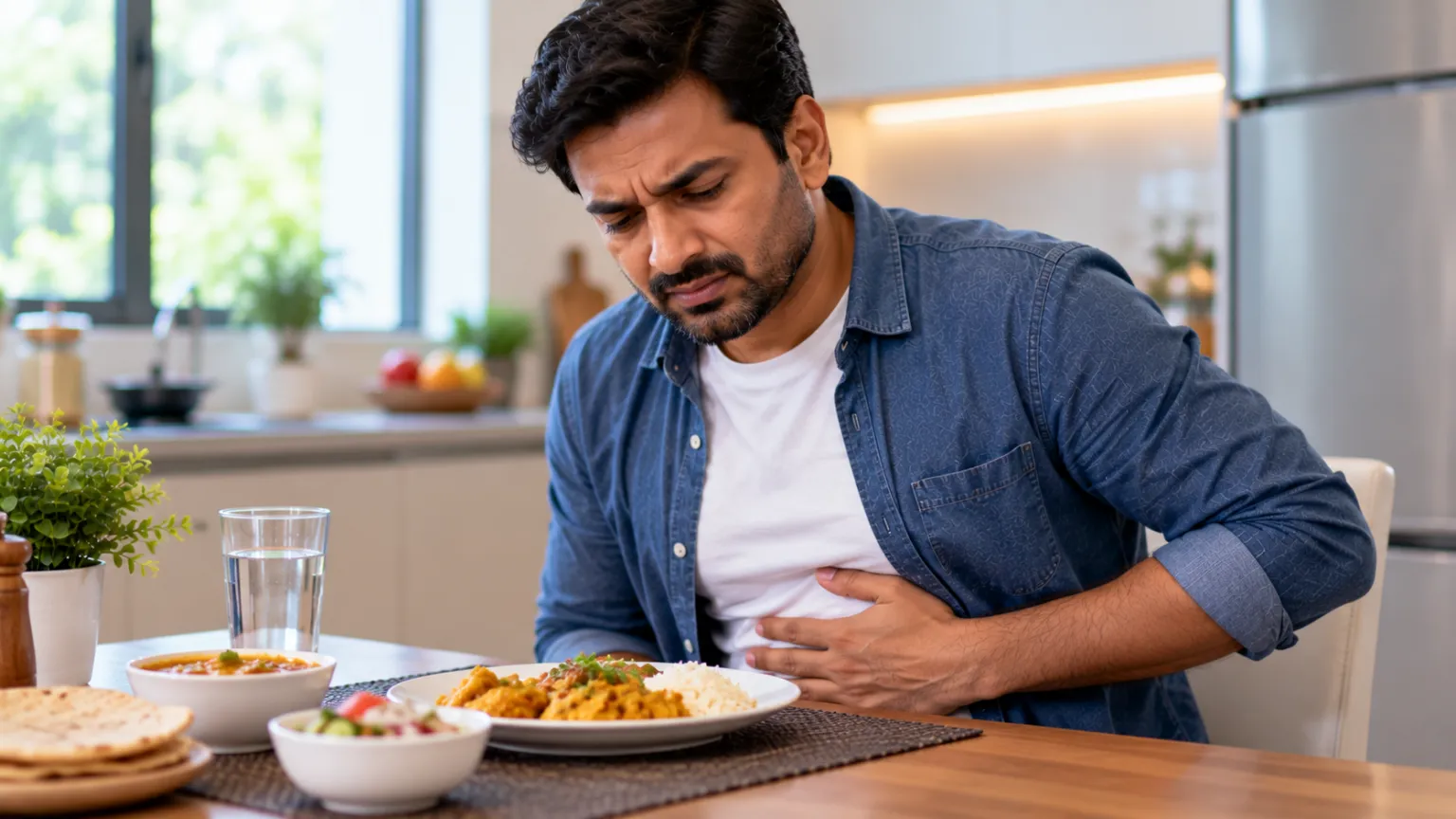
Abdominal Pain After Eating: Possible Causes and Warning Signs
Experiencing abdominal pain after eating can be uncomfortable and worrying, especially when it happens repeatedly. Some people notice mild cramps or gas after a large meal, while others experience burning, upper abdominal discomfort, or sharp pain after particular foods.
Occasional stomach discomfort may be related to eating habits or indigestion. However, recurrent abdominal pain after meals should not be ignored, particularly if it becomes severe, lasts longer than usual, or occurs alongside other symptoms.
Understanding the possible causes can help you recognise when to seek medical advice.
What Does Abdominal Pain After Eating Mean?
Abdominal pain after eating refers to discomfort that begins during or after a meal. The location, timing, severity, and accompanying symptoms can provide useful clues about the cause.
For example, pain in the upper abdomen may be associated with indigestion, stomach irritation, or gallbladder problems. Pain accompanied by changes in bowel movements may suggest a different digestive issue.
The location of pain alone cannot confirm a diagnosis. A medical assessment may be necessary if symptoms continue or worsen.
Common Causes of Abdominal Pain After Eating
1. Indigestion
Indigestion, also called dyspepsia, can cause upper abdominal discomfort, a feeling of fullness, bloating, nausea, or excessive belching.
It may occur after large meals, eating quickly, or consuming foods that trigger symptoms. Recurrent indigestion can also be associated with conditions affecting the stomach or upper digestive tract.
If symptoms happen frequently, a healthcare professional can help determine whether further evaluation is needed.
2. Acid Reflux
Acid reflux occurs when stomach contents flow back towards the oesophagus. It can cause heartburn, a burning sensation in the chest or upper abdomen, and sometimes a sour taste in the mouth.
Symptoms may become more noticeable after large meals or when lying down soon after eating.
Frequent or persistent symptoms deserve medical attention, especially if swallowing becomes difficult or symptoms do not improve with appropriate management.
3. Gallstones and Gallbladder Problems
Gallstones can cause pain in the upper-right or central upper abdomen. Episodes may occur after meals, sometimes following fatty foods, and may last from minutes to several hours.
The pain may spread towards the back or right shoulder. Nausea can also occur.
Not every person with gallstones develops symptoms, and not every episode of post-meal abdominal pain is caused by gallstones. If gallbladder disease is suspected, a clinician may recommend an examination and an ultrasound or other appropriate tests.
4. Food Intolerance
Some people develop abdominal cramps, bloating, gas, or diarrhoea after consuming particular foods.
For instance, lactose intolerance can cause symptoms after consuming milk or other lactose-containing products. Other dietary triggers may vary from person to person.
Keeping a food and symptom diary can help identify patterns. Avoid making major dietary restrictions without understanding whether they are necessary.
5. Irritable Bowel Syndrome (IBS)
Irritable bowel syndrome is a digestive disorder that may cause recurrent abdominal pain, bloating, constipation, diarrhoea, or alternating bowel habits.
Some people notice symptoms after meals or when their bowel movements change. IBS is one possible explanation, but other causes may need to be considered before a diagnosis is made.
6. Stomach or Intestinal Inflammation
Inflammation, infections, ulcers, and other digestive conditions can cause abdominal pain associated with eating.
The symptoms may include nausea, vomiting, changes in appetite, or altered bowel movements. The exact pattern depends on the underlying condition.
Persistent symptoms should be assessed rather than repeatedly treated with over-the-counter medicines without medical guidance.
7. Less Common but Important Causes
In some cases, abdominal pain after eating can be related to a hernia, intestinal obstruction, or another structural problem involving the digestive system.
Rarely, pain that repeatedly begins after meals may be associated with reduced blood flow to the intestines, particularly in people with relevant risk factors.
These conditions cannot be diagnosed from symptoms alone. Severe or worsening pain requires prompt assessment.
Does the Location of Pain Matter?
The location can help a doctor decide which conditions to investigate.
- Upper-middle abdomen: May occur with indigestion, stomach irritation, or other upper digestive conditions.
- Upper-right abdomen: May be associated with gallbladder or liver-related conditions.
- Lower abdomen: May be related to intestinal problems, constipation, or other abdominal and pelvic conditions.
- Pain across the abdomen with swelling: May occur with gas or constipation, but severe swelling or associated vomiting can indicate a more urgent problem.
These are general patterns, not diagnostic rules. The timing, severity, medical history, examination, and any associated symptoms also matter.
Warning Signs You Should Not Ignore
Arrange a medical consultation if abdominal pain after eating keeps returning, becomes more frequent, or affects your ability to eat normally.
Seek prompt medical advice if you experience:
- Unexplained weight loss or reduced appetite.
- Repeated vomiting.
- Persistent changes in bowel habits.
- Difficulty swallowing.
- Blood in your stool or black, tarry stools.
- Fever or yellowing of the skin or eyes.
- Pain that repeatedly wakes you from sleep or interferes with daily activities.
Seek emergency medical care for sudden, severe, or rapidly worsening abdominal pain, vomiting blood, fainting, or a markedly swollen abdomen accompanied by vomiting or an inability to pass stool or gas. Chest pressure or pain with breathlessness, sweating, or pain spreading to the arm or jaw also requires emergency assessment.
How Is Abdominal Pain After Eating Diagnosed?
The evaluation depends on the nature of the pain and the symptoms that accompany it.
A doctor may ask:
- Where exactly does the pain occur?
- How soon after eating does it begin?
- How long does it last?
- Does it happen after particular foods?
- Are nausea, vomiting, fever, bloating, or bowel changes present?
- Have you experienced weight loss or similar episodes previously?
- What medicines or supplements are you taking?
Depending on the findings, investigations may include blood tests, abdominal ultrasound, other imaging, or an upper gastrointestinal endoscopy. Further tests may be considered when the symptoms suggest a specific intestinal or digestive condition.
Not everyone needs every test. Investigations should be selected according to the clinical assessment.
When Should You Consult a Gastrointestinal Surgeon?
A general physician or gastroenterologist may be the appropriate first point of contact for many cases of abdominal pain after eating.
A gastrointestinal surgeon may be involved if the evaluation suggests a condition that could require surgery, such as symptomatic gallstones, certain hernias, intestinal obstruction, or another surgical problem.
For example, suspected gallbladder disease may require imaging and specialist review before treatment options are discussed. Whether surgery is appropriate depends on the diagnosis, severity, risks, and individual circumstances.
You can learn more about gastrointestinal surgery services with Dr. H.S. Jolly. A consultation can help determine which evaluation or referral may be appropriate for your symptoms.
What Can You Do to Reduce Mild Post-Meal Discomfort?
If the pain is mild, occasional, and not accompanied by warning signs, these measures may help:
- Eat slowly and avoid very large meals.
- Notice whether specific foods or drinks consistently trigger symptoms.
- Drink enough water throughout the day.
- Avoid lying down immediately after eating if you experience reflux.
- Keep a record of your meals, symptoms, and bowel movements.
- Seek medical advice before regularly using painkillers or digestive medicines to manage recurring symptoms.
These steps may help with some causes of discomfort, but they do not replace medical evaluation when symptoms persist.
Frequently Asked Questions
Why does my stomach hurt immediately after eating?
Possible causes include indigestion, stomach irritation, food-related symptoms, and other digestive conditions. The timing alone cannot establish the cause, so recurring pain should be assessed.
Can gallstones cause pain after meals?
Yes. Gallstones can cause episodes of upper abdominal pain, sometimes after eating. A clinician may recommend an ultrasound and other tests if gallbladder disease is suspected.
Is abdominal pain after eating always serious?
No. Mild, occasional discomfort can have common causes. However, recurrent, worsening, or unexplained pain should not be ignored, and severe symptoms may require emergency care.
Which doctor should I see for abdominal pain after eating?
You can start with a general physician or gastroenterologist. A gastrointestinal surgeon may be appropriate if the evaluation suggests a condition that may need surgical treatment.
Should I stop eating foods that cause stomach pain?
It may help to identify recurring triggers, but avoid unnecessarily eliminating several food groups. If a particular food consistently causes symptoms, discuss the pattern with a healthcare professional.
Conclusion
Abdominal pain after eating can result from indigestion, acid reflux, food intolerance, gallbladder problems, or other digestive conditions. The location and timing of pain may offer clues, but they cannot confirm the cause.
If symptoms keep returning, become more severe, or occur with other warning signs, seek medical evaluation. Identifying the underlying condition is the most useful step towards choosing appropriate treatment.