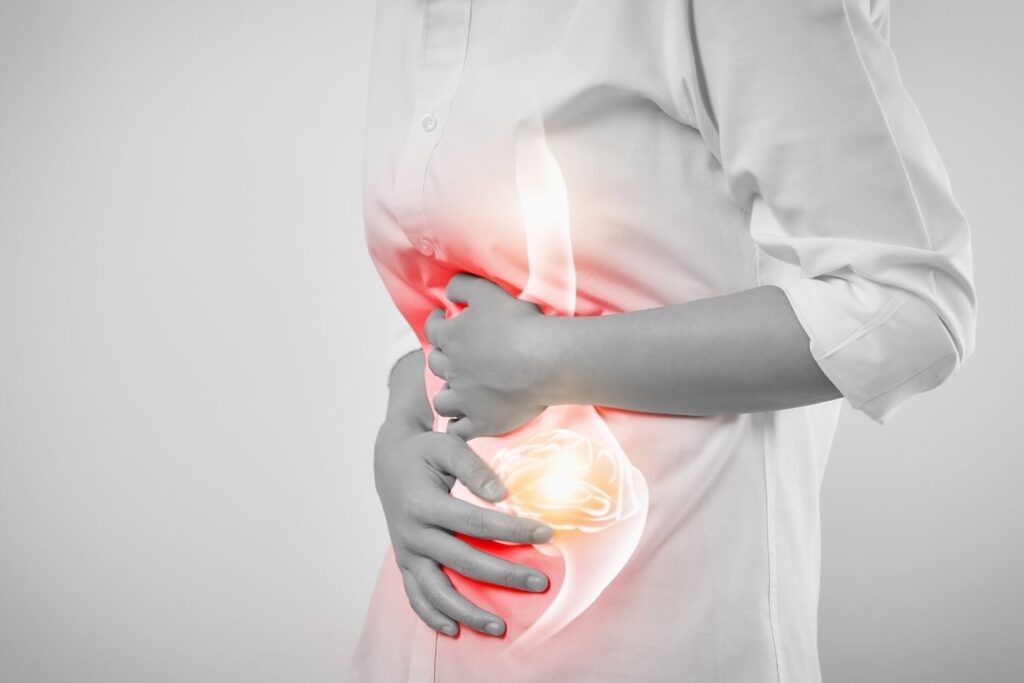
Gastrointestinal Surgery in Ludhiana
The digestive system plays an important role in overall health. When conditions affecting the stomach, intestines, liver, gallbladder, pancreas, or oesophagus require surgical treatment, gastrointestinal (GI) surgery may be recommended. Depending on the condition, surgery can help treat the underlying problem, relieve symptoms, and improve quality of life.
At Prolife Hospital, Ludhiana, Dr. Harpreet Singh Jolly provides gastrointestinal and advanced laparoscopic surgical care. Minimally invasive laparoscopic techniques may be used when clinically appropriate, depending on the condition, previous surgeries, and the patient’s overall health.
What Is Gastrointestinal Surgery?
Gastrointestinal surgery involves the surgical diagnosis and treatment of conditions affecting the digestive system. Depending on the condition, surgery may be used to remove diseased tissue, repair damaged or weakened areas, treat blockages, remove affected organs, or address other problems affecting digestive health.
Many gastrointestinal procedures can be performed using minimally invasive laparoscopic techniques in appropriately selected patients. Laparoscopic surgery uses small incisions and specialised instruments and may offer benefits such as smaller scars, less postoperative discomfort, and faster recovery compared with open surgery in suitable cases.
When Should You Consult a Gastrointestinal Surgeon?
You may consider consulting a gastrointestinal surgeon if you experience:
Persistent or recurrent abdominal pain
Gallstones causing repeated pain or other symptoms
Hernia or abdominal swelling
Persistent or severe acid reflux (GERD)
Appendicitis or suspected appendicitis
Blood in the stool
Difficulty swallowing
Persistent digestive symptoms that do not improve with appropriate medical treatment
Conditions requiring surgical evaluation after investigations
Early medical evaluation can help identify the cause of your symptoms and determine whether medication, lifestyle management, monitoring, or surgery may be appropriate.
Conditions Treated
Dr. Harpreet Singh Jolly provides surgical evaluation and treatment for a range of gastrointestinal and abdominal conditions, including:
Gallstones and gallbladder disease
Appendicitis
Hernias, including inguinal, umbilical, and selected hiatal hernias
Gastroesophageal Reflux Disease (GERD)
Selected colorectal conditions
Liver conditions requiring surgical evaluation
Selected pancreatic conditions
Intestinal disorders requiring surgical evaluation
Other gastrointestinal conditions requiring surgical treatment
Conditions such as Crohn’s disease and ulcerative colitis may require medical, endoscopic, or surgical management depending on their severity and complications. Patients with these conditions should undergo an individual assessment to determine the most appropriate treatment.
Every patient receives an individual treatment plan based on the diagnosis, symptoms, investigation results, overall health, and clinical requirements.
Why Laparoscopic GI Surgery?
When laparoscopic surgery is appropriate, it may offer several potential benefits compared with traditional open surgery, including:
Smaller surgical incisions
Smaller scars
Less postoperative pain or discomfort
Reduced blood loss in many procedures
Lower risk of some wound-related complications
Shorter hospital stay for many procedures
Faster recovery and earlier return to daily activities
Laparoscopic surgery is not suitable for every patient or every gastrointestinal condition. Your surgeon will recommend the most appropriate surgical approach based on your diagnosis, medical history, previous operations, and overall health.
Why Choose Dr. Harpreet Singh Jolly?
Dr. Harpreet Singh Jolly has more than 20 years of surgical experience and has performed over 20,000 surgeries. He specialises in advanced laparoscopic, gastrointestinal, bariatric, and general surgery.
His approach focuses on:
Extensive surgical experience
Expertise in minimally invasive surgical techniques
Personalised treatment planning
Clear discussion of treatment options
Comprehensive pre-operative and post-operative care
Appropriate use of laparoscopic techniques when clinically suitable
Long-term patient care and follow-up
Treatment recommendations are based on each patient’s individual condition rather than a one-size-fits-all approach.
What to Expect During Your Consultation
During your consultation, Dr. Jolly will:
Review your symptoms and medical history
Perform a clinical evaluation
Review previous medical reports and investigations
Recommend additional investigations when necessary
Explain your diagnosis and available treatment options
Discuss whether surgery is required
Explain the potential benefits, risks, and alternatives
Answer questions about the procedure and recovery
The aim is to help you understand your condition and make an informed decision about your treatment.
Frequently Asked Questions
What is gastrointestinal surgery?
Gastrointestinal surgery involves the surgical treatment of conditions affecting the digestive system, including the stomach, intestines, oesophagus, gallbladder, liver, pancreas, and related abdominal organs. The type of surgery depends on the specific condition and the patient’s individual medical needs.
Is laparoscopic surgery better than open surgery?
Laparoscopic surgery may offer advantages such as smaller incisions, less postoperative discomfort, and faster recovery for many suitable patients. However, it is not automatically the best option for every condition. The appropriate surgical approach depends on the diagnosis, complexity of the procedure, previous surgeries, and overall health.
How long does recovery take after GI surgery?
Recovery varies depending on the type of gastrointestinal procedure, surgical approach, overall health, and individual healing. Many patients undergoing suitable laparoscopic procedures may recover sooner than patients undergoing comparable open surgery, but your surgeon will provide personalised recovery guidance.
When should I see a gastrointestinal surgeon?
You should consider a gastrointestinal surgical evaluation if you have persistent abdominal pain, symptomatic gallstones, a painful or enlarging hernia, severe or persistent acid reflux, appendicitis, blood in the stool, difficulty swallowing, or digestive symptoms that do not improve with appropriate medical treatment.
What gastrointestinal conditions does Dr. Jolly treat?
Dr. Harpreet Singh Jolly provides surgical evaluation and treatment for conditions including gallbladder disease, hernia, appendicitis, GERD, selected colorectal conditions, and selected liver, pancreatic, and intestinal disorders. The appropriate treatment depends on the patient’s diagnosis, symptoms, investigation results, and overall health.
What tests may be needed before gastrointestinal surgery?
Depending on your symptoms and suspected condition, your doctor may recommend blood tests, ultrasound, CT scan, endoscopy, colonoscopy, or other investigations. The tests required depend on the diagnosis and the type of treatment being considered.
Is gastrointestinal surgery always necessary?
No. Surgery is not required for every gastrointestinal condition. Some conditions can be managed with medication, dietary changes, observation, endoscopic treatment, or other non-surgical approaches. Surgery is recommended when it is considered appropriate based on the patient’s condition and clinical assessment.
What are the risks of gastrointestinal surgery?
Like all surgical procedures, gastrointestinal surgery has potential risks. These vary depending on the type of operation and may include bleeding, infection, anaesthesia-related complications, blood clots, injury to surrounding structures, or other procedure-specific complications. Your surgeon will explain the relevant risks and benefits before surgery.
How can I prepare for gastrointestinal surgery?
Preparation depends on the procedure. Your surgeon may advise you about fasting, medications, investigations, smoking or alcohol, diet, bowel preparation where required, and other pre-operative instructions. Follow the specific instructions provided by your surgical team.
Will I need follow-up after gastrointestinal surgery?
Yes. Follow-up appointments help your surgical team monitor healing, review symptoms, identify potential complications, and guide your return to normal activities. The timing and number of follow-up visits depend on the procedure and your recovery.