Laparoscopic Surgery: Benefits, Risks and Recovery
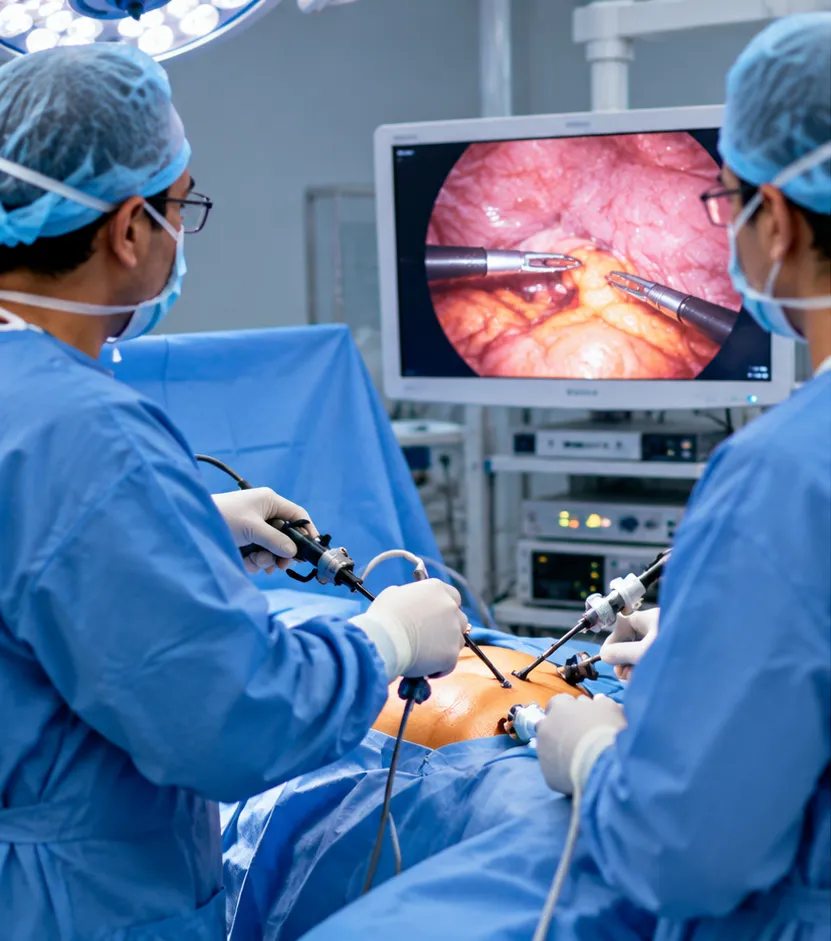
When surgery is needed, patients often want to understand the available techniques, the risks involved, and how long recovery may take. Laparoscopic surgery is a minimally invasive approach used for many abdominal procedures. It allows surgeons to operate through small incisions using a camera and specialised instruments.
Although laparoscopic surgery can offer advantages for suitable patients, it is not appropriate for every condition. The recommended approach depends on the diagnosis, the patient’s health, and the complexity of the operation.
What Is Laparoscopic Surgery?
Laparoscopic surgery is a type of minimally invasive surgery. Instead of making one large incision, the surgeon generally makes several small openings through which a camera and surgical instruments are introduced.
The camera provides images of the operating area on a monitor, helping the surgical team perform the procedure.
Laparoscopic techniques are used for selected operations involving the gallbladder, appendix, hernias, and other abdominal conditions. The exact technique depends on the procedure and the surgeon’s assessment.
How Does Laparoscopic Surgery Work?
The process generally involves several steps:
- Anaesthesia: The patient receives the anaesthesia appropriate for the planned procedure.
- Small incisions: The surgeon creates small openings to introduce the camera and instruments.
- Visual guidance: The camera displays the internal operating area on a monitor.
- Surgical treatment: The surgeon performs the planned procedure using specialised instruments.
- Closure and recovery: Instruments are removed, incisions are closed, and the patient is monitored during recovery.
The details vary by operation. Some procedures may need additional incisions or a different approach depending on the findings.
What Conditions Can Be Treated With Laparoscopic Surgery?
Laparoscopic techniques may be used for selected conditions, including:
Gallbladder Disease
Laparoscopic gallbladder removal is commonly performed for symptomatic gallstones or other appropriate gallbladder conditions.
Appendicitis
In suitable cases, the appendix can be removed laparoscopically. The best approach depends on the severity of the condition and the patient’s clinical situation.
Hernias
Some hernias can be repaired using laparoscopic techniques. The choice of repair depends on the type and size of the hernia, previous operations, and other patient-specific factors.
Selected Gastrointestinal Conditions
Laparoscopic techniques may be used for certain gastrointestinal procedures. More complex operations may require a different approach or a specialist surgical plan.
A consultation is necessary to determine which technique is suitable for a particular diagnosis.
Potential Benefits of Laparoscopic Surgery
For suitable procedures and patients, potential benefits may include:
- Smaller skin incisions.
- Less wound discomfort in some cases.
- Reduced wound-related complications in selected settings.
- Shorter hospital stays for many procedures.
- An earlier return to normal activities for some patients.
- Smaller visible scars compared with some open procedures.
These benefits are not guaranteed. Outcomes vary according to the operation, the patient’s health, and whether complications occur.
Are There Risks or Limitations?
Laparoscopic surgery is still surgery and carries risks. Potential complications include bleeding, infection, injury to nearby organs or structures, blood clots, and problems related to anaesthesia.
Some procedures may take longer laparoscopically, and certain conditions or previous operations can make the approach more difficult.
In some cases, a surgeon may need to change from a laparoscopic approach to open surgery to complete the operation safely. This is a recognised surgical decision and may be necessary when visibility, anatomy, or the patient’s condition requires it.
Before surgery, the team should explain the expected benefits, possible complications, alternatives, and reasons why a different approach might be needed.
What Happens Before Laparoscopic Surgery?
Preoperative preparation depends on the planned operation and your medical history. It may include:
- Reviewing symptoms and previous medical conditions.
- Checking current medicines and allergies.
- Blood tests or imaging when indicated.
- Anaesthesia assessment.
- Instructions about eating and drinking before surgery.
- Guidance about medicines that may need adjustment.
Follow the instructions provided by your surgical team. Do not stop prescribed medication without medical advice.
What Is Recovery Like?
Recovery varies according to the operation and the individual patient.
After surgery, the team will monitor your pain, vital signs, ability to drink or eat when appropriate, and readiness to move safely. Some patients go home the same day, while others require an overnight or longer hospital stay.
During recovery, you may be advised to:
- Walk and move as recommended by the care team.
- Keep the incision sites clean and follow wound-care instructions.
- Take prescribed medicines as directed.
- Progress your diet according to the procedure and clinical advice.
- Avoid strenuous activity or heavy lifting until cleared.
- Attend follow-up appointments.
Mild discomfort around the incisions or temporary bloating can occur after some laparoscopic procedures. However, severe or worsening pain, fever, persistent vomiting, breathing difficulty, or increasing redness or discharge from a wound should be assessed promptly.
Laparoscopic Surgery vs Open Surgery
The main difference is how the surgeon reaches the area being treated.
Laparoscopic surgery uses a camera and specialised instruments inserted through small incisions.
Open surgery uses a larger incision that allows the surgeon direct access to the operating area.
Neither method is automatically best for every patient. The decision depends on the condition, anatomy, urgency, previous surgery, available resources, and the surgeon’s clinical judgement.
Frequently Asked Questions
Is laparoscopic surgery always better than open surgery?
No. Laparoscopic surgery offers advantages for many suitable procedures, but open surgery may be more appropriate in some situations. The decision should be individualised.
Is laparoscopic surgery painful?
Some discomfort is expected after surgery, but its severity varies. Pain relief and recovery instructions are tailored to the procedure and patient.
How long does recovery take?
Recovery depends on the operation, the patient’s health, and whether complications occur. Your surgeon will provide guidance about returning to work, driving, exercise, and lifting.
Will laparoscopic surgery leave scars?
Yes, it usually leaves small scars at the incision sites. Their appearance varies, and scar care should follow the surgical team’s advice.
Can every abdominal operation be performed laparoscopically?
No. Some operations are better suited to open surgery, while others may be started laparoscopically and changed to an open approach if necessary.
Conclusion
Laparoscopic surgery is an important minimally invasive option for many abdominal conditions. For suitable patients, it may offer smaller incisions and a quicker recovery compared with some open procedures.
The right surgical approach depends on the condition being treated, individual risks, and the surgeon’s assessment. Discussing the options, expected recovery, and possible complications before surgery helps patients make informed decisions about their care.