Before Searching for the Best Surgeon in India, Understand What Actually Makes a Surgeon Different
Finding the Right Surgeon Is More Important Than Finding a Famous Name
When a patient is told that surgery may be necessary, one of the first searches they may make online is:
“Who is the best surgeon in India?”
The internet provides thousands of results. Surgeons and hospitals may highlight qualifications, experience, technology, and patient care. However, choosing a surgeon is different from choosing a product. There is no single surgeon who is the right choice for every patient or every medical condition.
The appropriate surgeon depends on the patient’s diagnosis, the type of surgery required, the surgeon’s relevant expertise, and the quality of care available before and after the procedure.
A surgeon who is appropriate for one patient may not necessarily be the right choice for another.
The more useful question is:
“Which surgeon has the relevant experience and expertise for my condition and treatment needs?”
Experience Matters, But Relevant Experience Matters More
Experience is an important factor when choosing a surgeon. However, experience is not only about the number of years a doctor has been practising.
The type of procedures a surgeon regularly performs is also important.
A surgeon with relevant experience may have greater familiarity with:
- Patient evaluation and selection
- Surgical planning
- Procedure-specific techniques
- Potential complications
- Post-operative care
- Recovery expectations
For example, a patient considering bariatric surgery should look for a surgeon with appropriate experience in metabolic and bariatric procedures. Someone requiring minimally invasive abdominal surgery may benefit from a surgeon with relevant laparoscopic experience.
The most important consideration is whether the surgeon’s expertise matches the patient’s specific condition and procedure.
A Good Surgical Consultation Starts With the Patient
Surgery is not only about performing a procedure. It begins with understanding the patient’s medical condition.
Before recommending surgery, a surgeon may evaluate:
- Medical history
- Current symptoms and diagnosis
- Previous treatments
- Existing medical conditions
- Previous surgeries
- Relevant investigations
- Overall health
- Treatment expectations
A responsible surgeon should explain why surgery is being considered, whether non-surgical options are available, and what the patient can realistically expect from treatment.
Patients should have an opportunity to ask questions and understand the potential benefits, risks, and alternatives before making a decision.
Specialisation Makes a Difference in Modern Surgery
Modern surgery includes many specialised fields, each requiring different knowledge and technical skills.
Laparoscopic Surgery
Laparoscopic surgery is a minimally invasive approach that requires experience with specialised instruments, camera guidance, surgical anatomy, and appropriate patient selection.
Bariatric Surgery
Bariatric surgery involves the treatment of obesity and requires knowledge of metabolic health, surgical techniques, nutrition, obesity-related conditions, and long-term follow-up.
Gastrointestinal Surgery
Gastrointestinal surgery involves conditions affecting the digestive system and may require specialised knowledge of the stomach, intestines, gallbladder, and other abdominal organs.
When choosing a surgeon in India, patients should consider whether the surgeon has relevant expertise in the condition and procedure they require.
Technology Supports Surgery, But Clinical Judgement Matters
Modern surgical care uses advanced equipment and minimally invasive techniques for many procedures.
For appropriately selected patients, laparoscopic surgery may offer potential benefits such as:
- Smaller surgical incisions
- Smaller scars
- Less postoperative discomfort
- Shorter hospital stays for many procedures
- Faster recovery in suitable cases
- Earlier return to normal activities
However, technology alone does not determine whether a particular surgical approach is appropriate.
The surgeon must consider factors such as the patient’s anatomy, diagnosis, severity of disease, previous operations, overall health, and findings during the procedure.
The appropriate use of technology alongside surgical expertise and clinical judgement is an important part of modern surgical care.
Hospital Facilities Are Also Part of Surgical Care
A surgeon’s expertise is important, but surgical treatment also depends on the wider healthcare team and hospital infrastructure.
Patients may consider whether the hospital provides appropriate:
- Operating theatres
- Anaesthesia services
- Trained nursing staff
- Diagnostic and imaging facilities
- Post-operative monitoring
- Emergency medical support
- Critical care facilities when required
Surgical care is a team effort involving the surgeon, anaesthesia professionals, nursing staff, technicians, and other healthcare professionals.
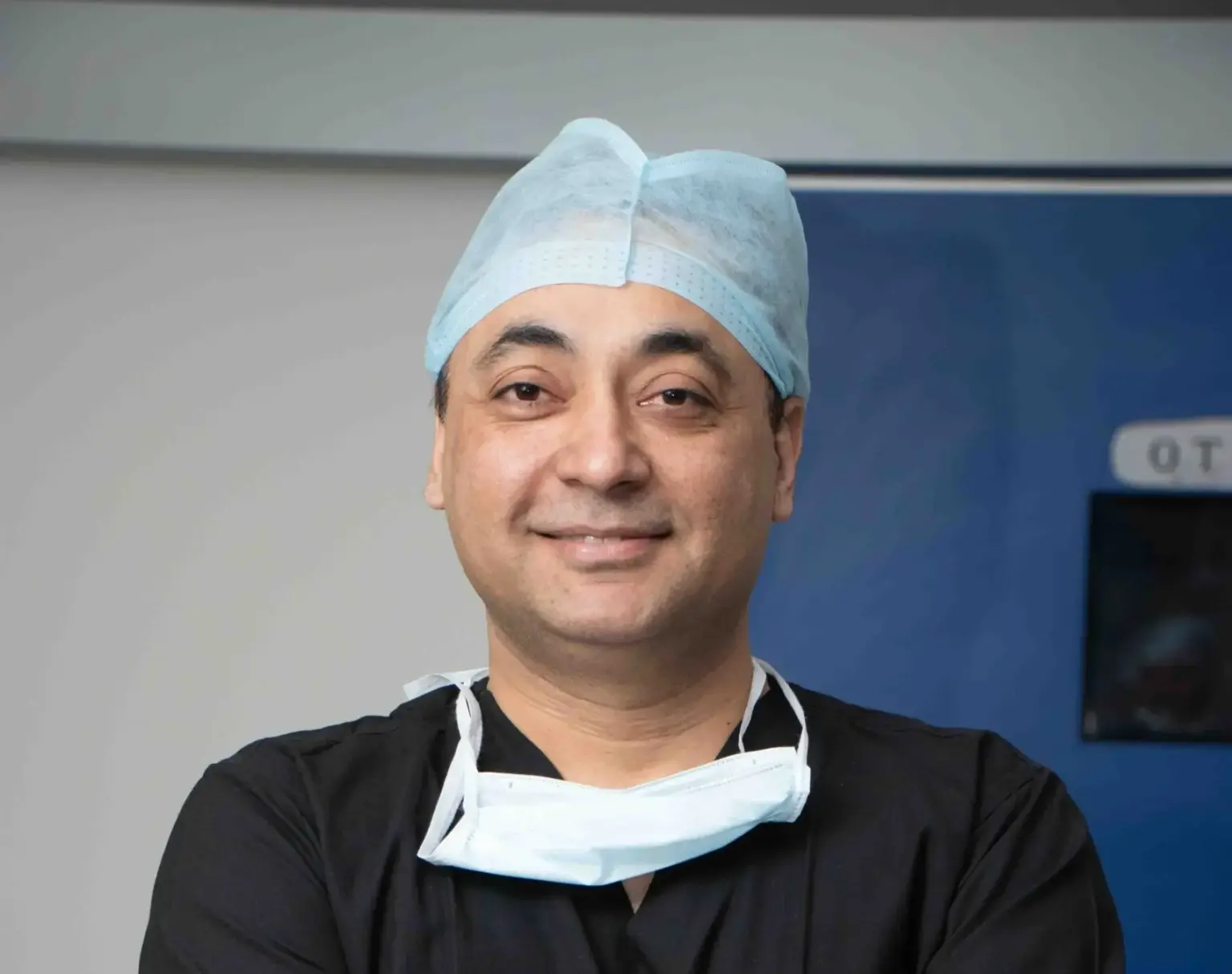
Dr. Harpreet Singh Jolly: Surgical Expertise in Ludhiana
Dr. Harpreet Singh Jolly is a senior surgeon and the Director & Chief Consultant at Prolife Hospital, Ludhiana.
With more than 20 years of surgical experience and over 20,000 surgeries performed, Dr. Jolly specialises in advanced laparoscopic, bariatric, gastrointestinal, and general surgery.
His approach includes:
- Detailed patient evaluation
- Personalised treatment planning
- Clear explanation of treatment options
- Minimally invasive techniques when clinically appropriate
- Pre-operative and post-operative care
- Follow-up guidance throughout recovery
For patients looking for an experienced surgeon in Ludhiana or considering surgical care in India, relevant expertise, appropriate experience, clear communication, and comprehensive patient care are important factors to consider.
Questions Patients Should Ask Before Choosing a Surgeon
How experienced are you with my specific surgery?
Ask about the surgeon’s experience with the particular procedure you may require. Relevant procedure-specific experience can be more useful than general surgical experience alone.
Are there alternatives to surgery?
Ask whether medication, lifestyle changes, observation, endoscopic treatment, or another approach may be appropriate for your condition.
What are the potential risks and benefits?
Your surgeon should explain the expected benefits, possible complications, and alternatives relevant to your individual situation.
What should I expect during recovery?
Ask about hospital stay, pain management, diet, activity restrictions, return to work, and follow-up appointments.
Where will my surgery be performed?
Consider the hospital’s operating facilities, anaesthesia services, nursing support, diagnostic facilities, emergency care, and post-operative monitoring.
Should I get a second opinion?
For major or complex surgery, patients may consider obtaining a second medical opinion to better understand their diagnosis and available treatment options.
Frequently Asked Questions
Who is the best surgeon in India?
There is no single surgeon who is the best choice for every patient. The appropriate surgeon depends on the patient’s condition and required procedure. Consider relevant surgical expertise, experience with the specific operation, communication, hospital facilities, and follow-up care.
How do I choose the right surgeon for my condition?
Choose a surgeon with relevant experience in treating your condition and performing the procedure you may require. During consultation, ask about treatment options, potential risks and benefits, expected recovery, and follow-up care.
Is experience important when selecting a surgeon?
Yes. Relevant surgical experience is an important factor because it provides context about a surgeon’s familiarity with specific procedures and different clinical situations. However, experience should be considered alongside qualifications, speciality, hospital support, and patient-specific factors.
Should I choose a surgeon only based on online reviews?
No. Reviews can provide information about patient experiences, but they should not be the sole basis for choosing a surgeon. Patients should also consider qualifications, relevant surgical expertise, experience with the required procedure, hospital facilities, and the quality of the consultation.
Is the most famous surgeon necessarily the right surgeon for me?
Not necessarily. A surgeon’s reputation or online visibility does not determine whether they are the appropriate specialist for a particular condition. Relevant expertise and experience with the required procedure are more useful factors to consider.
Can I seek a second opinion before surgery?
Yes. Patients can seek a second medical opinion, particularly before major or complex procedures. A second opinion can help you understand your diagnosis, treatment options, and potential alternatives.
Final Summary
Searching for the best surgeon in India should not simply be about finding the most popular or highly advertised name.
The more important question is whether the surgeon has the relevant expertise for your medical condition, experience with the required procedure, access to appropriate hospital support, and a clear approach to discussing treatment options, risks, recovery, and follow-up.
Choosing a surgeon is an individual healthcare decision. A detailed consultation can help you understand your options and decide whether a particular surgeon and treatment approach are appropriate for your needs.