Laparoscopic Surgery Recovery: What Patients Can Expect After Surgery
Being told that you need surgery often brings a new set of questions.
How much pain will I have? When can I walk? When can I go back to work? What can I eat? When can I exercise?
These are all normal questions to have before an operation.
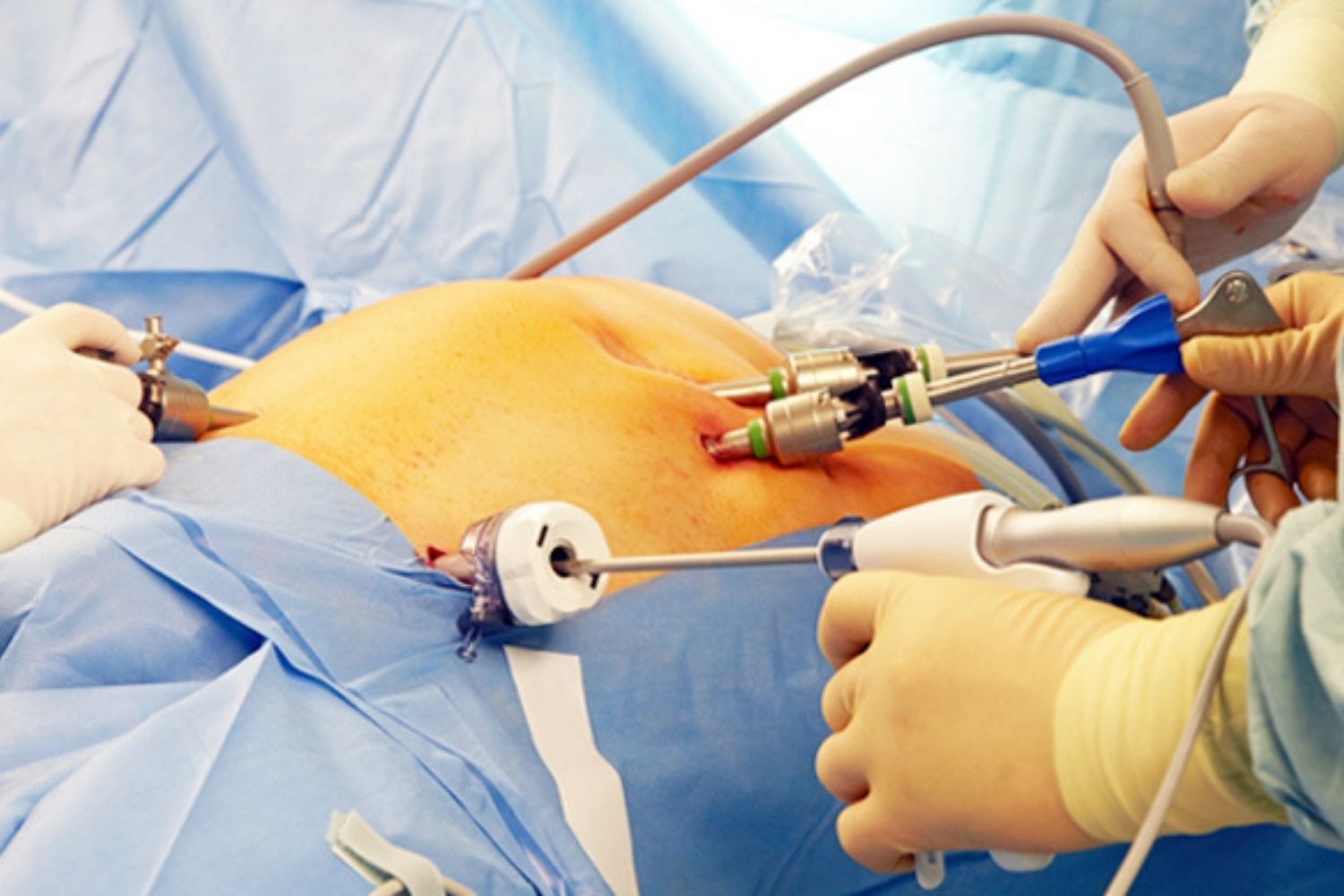
Laparoscopic surgery is performed through small incisions using a camera and specialised instruments. For many procedures, this can mean smaller wounds and less postoperative discomfort compared with comparable open surgery.
But there is an important point to remember: laparoscopic surgery does not mean instant recovery.
Your recovery depends on the type of operation, how complex it was, your general health and how your body heals.
Understanding what to expect after surgery can help you prepare and recognise what is normal during recovery.
What Is Laparoscopic Surgery?
Laparoscopic surgery is a minimally invasive surgical technique.
Instead of making one larger incision, the surgeon usually makes several small incisions and uses a laparoscope, which has a camera attached to it.
The camera allows the surgical team to view the operating area on a monitor while specialised instruments are used to perform the procedure.
Laparoscopic techniques may be used for selected:
- Gallbladder surgeries
- Hernia repairs
- Appendix surgeries
- Gastrointestinal procedures
- Bariatric procedures
- Other abdominal operations
Not every patient or procedure is suitable for laparoscopy. The appropriate approach depends on the individual case.
Why Can Recovery Be Easier After Laparoscopic Surgery?
One of the main differences between laparoscopic and many open procedures is the size of the surgical incisions.
For appropriately selected procedures, smaller incisions may mean:
- Smaller wounds
- Smaller scars
- Less postoperative discomfort in many cases
- Less blood loss in some procedures
- Earlier movement
- Shorter hospital stays for many operations
- A potentially quicker return to routine activities
The benefits vary depending on the operation and the patient.
Even with small external wounds, however, the tissues inside the body still need time to heal.
What Happens Immediately After Laparoscopic Surgery?
After your operation, you will usually spend some time in a recovery area while the effects of anaesthesia wear off.
You may temporarily experience:
- Tiredness
- Abdominal discomfort
- Bloating
- Nausea
- Mild throat discomfort
- Bruising around the incisions
- Shoulder discomfort
These symptoms can vary considerably from one patient to another.
Your healthcare team will monitor you and provide instructions about medicines, food, activity and wound care before you leave the hospital.
How Long Does Laparoscopic Surgery Recovery Take?
There is no single recovery time for all laparoscopic procedures.
Recovery can depend on:
- The type of surgery
- Complexity of the operation
- Your age
- General health
- Existing medical conditions
- Whether complications occurred
- Your type of work
- Your body’s healing process
A relatively minor laparoscopic procedure may have a shorter recovery period, while a more complex abdominal operation may require considerably more time.
This is why your surgeon’s advice is more useful than a generic recovery timeline found online.
What Should You Expect During the First 24–48 Hours?
The first couple of days are usually about resting, managing discomfort and gradually becoming active again.
You may feel tired because of the surgery and anaesthesia.
Depending on your procedure, your doctor may advise you to:
- Take your prescribed medicines as directed
- Drink fluids as recommended
- Begin eating according to your instructions
- Take short walks when appropriate
- Rest when you feel tired
- Keep your wounds protected
- Avoid strenuous activity
If you are discharged soon after surgery, it is useful to have someone available to help you, particularly during the first day.
When Can You Walk After Laparoscopic Surgery?
Walking is often encouraged once it is medically appropriate.
You may begin with short walks around your room or home and gradually increase the distance.
Gentle movement can help you avoid prolonged inactivity and support your return to normal activity.
The key is to increase activity gradually.
Feeling better one day does not necessarily mean that your body is ready for strenuous exercise.
Is Pain Normal After Laparoscopic Surgery?
Some pain or discomfort after surgery is expected.
You may notice discomfort around:
- The incision sites
- The abdomen
- The shoulder area
How much pain you experience depends on the procedure and individual factors.
Your surgeon may prescribe pain medication or recommend other methods of managing discomfort.
Take medicines according to your healthcare team’s instructions.
If your pain becomes severe, suddenly increases or is accompanied by other concerning symptoms, contact your medical team.
Why Does Shoulder Pain Happen After Laparoscopic Surgery?
Shoulder discomfort can surprise some patients because the surgery was performed on the abdomen.
During many laparoscopic procedures, carbon dioxide gas is introduced into the abdomen to create space for the surgeon to work.
The gas can irritate the diaphragm, and this irritation can sometimes be felt as pain around the shoulder.
This discomfort generally improves as the gas is absorbed.
However, significant or worsening pain should always be discussed with your healthcare team.
What Can You Eat After Laparoscopic Surgery?
Your diet depends on the type of operation you have undergone.
Some patients may initially prefer smaller, lighter meals before gradually returning to their usual diet.
Your surgical team may recommend:
- Drinking fluids as advised
- Eating balanced meals
- Introducing foods gradually if you feel nauseated
- Including fibre when appropriate
- Following any procedure-specific dietary instructions
There is no single postoperative diet that is suitable for every laparoscopic procedure.
For example, dietary instructions after bariatric surgery can be very different from those after another abdominal operation.
Follow the instructions provided by your healthcare team.
Can Bowel Movements Change After Surgery?
Yes, bowel habits can temporarily change after an operation.
Possible contributing factors include:
- Anaesthesia
- Pain medicines
- Reduced activity
- Changes in diet
- Reduced fluid intake
Constipation can be particularly uncomfortable after abdominal surgery.
Your doctor may recommend changes to fluids, food, activity or medication depending on your situation.
If you develop severe abdominal swelling, persistent vomiting, severe pain or an inability to pass stool or gas, contact your medical team promptly.
How Should You Care for Your Incisions?
Laparoscopic surgery usually involves several small incisions.
Your surgical team will tell you how to care for them.
Depending on how your wounds were closed, you may be advised to:
- Keep the wounds clean
- Keep them dry for the recommended period
- Change dressings as instructed
- Avoid soaking the wounds until permitted
- Watch for signs of infection
Do not remove stitches, staples, adhesive strips or other wound coverings unless your healthcare team tells you to.
What Are the Signs of a Wound Infection?
Contact your healthcare team if you notice:
- Increasing redness around the wound
- Increasing swelling
- Worsening pain
- Warmth around the incision
- Pus or unusual discharge
- Persistent fever
- The wound opening
Some bruising and tenderness can occur during normal healing.
What matters is whether symptoms are improving or becoming progressively worse.
When Can You Shower After Laparoscopic Surgery?
The answer depends on your particular wounds and how they were closed.
Your surgeon or healthcare team will tell you when showering is appropriate.
Avoid soaking in a bathtub, swimming pool or similar setting until you have been told that it is safe to do so.
Do not assume that because an incision looks small, it is already completely healed.
When Can You Drive After Laparoscopic Surgery?
You should return to driving only when you are medically fit and can safely control the vehicle.
Before driving, you should be able to:
- Sit comfortably
- Move without significant pain
- React quickly
- Perform an emergency stop if required
- Drive without medicines that impair alertness
Your surgeon may provide specific advice based on your operation.
You should also check any applicable insurance requirements.
When Can You Return to Work?
Your return to work depends on both your operation and the type of work you do.
Someone with a desk-based job may be able to return sooner than someone whose work involves:
- Heavy lifting
- Physical labour
- Long periods of standing
- Repetitive movement
- Strenuous activity
Ask your surgeon for advice based on your specific procedure and occupation.
When Can You Exercise After Laparoscopic Surgery?
Returning to exercise should be gradual.
A typical progression may involve:
Start With Gentle Movement
Short walks and normal light activity when your healthcare team considers them appropriate.
Increase Daily Activity
Gradually return to household activities and longer walks as you become more comfortable.
Resume Structured Exercise
Begin more organised exercise according to your surgeon’s advice.
Return to Heavy Exercise
Heavy lifting and intense workouts should be resumed only when you have been medically cleared.
The exact timeline varies significantly between procedures.
What About Heavy Lifting?
Heavy lifting places additional strain on healing tissues.
Your surgeon will tell you when you can safely return to lifting heavier objects.
This can be particularly important after abdominal wall procedures such as hernia repair.
Remember that small external incisions do not necessarily mean that the internal tissues are completely healed.
Laparoscopic Surgery Recovery Timeline
There is no universal timeline, but recovery may broadly progress like this:
| Recovery stage | What you may experience |
|---|---|
| First 1–2 days | Tiredness, discomfort, bloating and limited activity |
| First week | Gradual increase in walking and everyday activities |
| Following weeks | Increasing strength and return toward normal routines |
| Longer recovery | More complex procedures may require additional recovery time |
This is only a general guide.
A laparoscopic gallbladder operation, hernia repair, appendectomy and bariatric procedure can all have different recovery requirements.
Recovery After Laparoscopic Gallbladder Surgery
Laparoscopic gallbladder removal is a commonly performed laparoscopic procedure.
After surgery, some patients may experience:
- Abdominal discomfort
- Shoulder discomfort
- Tiredness
- Tenderness around the incisions
- Temporary digestive changes
Activity and diet should be increased according to the instructions provided by your surgical team.
Recovery After Laparoscopic Hernia Surgery
Recovery after laparoscopic hernia repair depends on the type and complexity of the hernia and the surgical technique used.
Patients are generally advised to gradually increase activity while avoiding excessive strain until their surgeon says it is appropriate.
Heavy lifting restrictions can be particularly important after hernia repair.
Recovery After Laparoscopic Appendix Surgery
Recovery following laparoscopic appendectomy depends partly on the severity of appendicitis.
An uncomplicated case may have a different recovery from appendicitis involving complications such as perforation or an abscess.
Your surgeon will provide instructions based on your individual case.
Recovery After Bariatric Surgery
Bariatric surgery has additional dietary and nutritional requirements.
Recovery may involve:
- Gradual progression of diet
- Regular follow-up
- Nutritional monitoring
- Recommended vitamin and mineral supplements
- Gradual increase in physical activity
Patients should follow the bariatric programme provided by their surgical and nutrition team.
What Symptoms Should You Not Ignore After Surgery?
Most patients experience some discomfort during recovery, but certain symptoms require medical attention.
Contact your healthcare team promptly if you develop:
- Persistent or high fever
- Severe or worsening abdominal pain
- Persistent vomiting
- Increasing abdominal swelling
- Significant bleeding
- Increasing redness around an incision
- Pus or unusual wound discharge
- Difficulty breathing
- Chest pain
- Fainting
- Significant deterioration in your condition
If symptoms are severe or potentially life-threatening, seek emergency medical care immediately.
How Can You Support Your Recovery?
There is no guaranteed shortcut to faster healing.
However, following your surgical team’s instructions can help you recover appropriately.
Take Medicines as Prescribed
Follow the prescribed dose and schedule.
Keep Moving Gradually
Avoid prolonged inactivity, but do not push yourself beyond your doctor’s recommendations.
Follow Your Diet Instructions
Your dietary needs depend on the operation you underwent.
Stay Hydrated
Drink fluids according to your healthcare team’s advice.
Look After Your Wounds
Follow the specific wound-care instructions you were given.
Attend Follow-Up Appointments
Follow-up allows your healthcare team to assess your recovery and address any concerns.
Avoid Smoking
Smoking can interfere with healing and may increase the risk of complications.
What Should You Ask Before Leaving the Hospital?
Before going home, make sure you understand:
- Which medicines you need to take
- How to care for your wounds
- When you can shower
- When you can drive
- When you can return to work
- When you can exercise
- What you can eat
- When your follow-up appointment is scheduled
- Which symptoms require urgent medical attention
If something is unclear, ask your healthcare team before leaving.
How Can You Prepare Your Home Before Surgery?
A little preparation can make the first few days easier.
You may want to:
- Arrange transportation home
- Have someone available to help you initially
- Prepare simple meals
- Keep medicines organised
- Place frequently used items somewhere easy to reach
- Keep your doctor’s contact information available
- Avoid planning strenuous household work immediately after surgery
The amount of preparation required depends on the type of operation.
Laparoscopic Surgery Recovery in Ludhiana
If you are planning laparoscopic surgery in Ludhiana, ask your surgeon about your expected recovery before the procedure.
Dr. Harpreet Singh Jolly’s surgical practice includes laparoscopic procedures for conditions such as gallbladder disease, hernia, appendicitis and selected gastrointestinal conditions.
His laparoscopic surgery information also explains that the suitability of laparoscopy and the expected recovery depend on the individual patient and procedure.
Understanding your likely recovery in advance can help you arrange work, transportation, support at home and follow-up care.
Frequently Asked Questions
How long does it take to recover from laparoscopic surgery?
There is no single recovery period. Minor procedures may have a relatively short recovery, while more complex abdominal operations can require several weeks.
Is recovery easier after laparoscopic surgery?
For many appropriately selected procedures, laparoscopic surgery may result in smaller wounds, less postoperative discomfort and a potentially faster return to routine activities compared with comparable open surgery. Recovery still varies between patients.
Can I walk after laparoscopic surgery?
Gentle movement is often encouraged when medically appropriate. Your healthcare team will advise you when to begin walking and how quickly to increase activity.
When can I return to work?
It depends on the procedure and your job. Desk-based work and physically demanding work can have very different recovery requirements.
When can I exercise after laparoscopic surgery?
Light movement such as walking may be introduced early when appropriate. Strenuous exercise and heavy lifting should be resumed according to your surgeon’s instructions.
Why does my shoulder hurt after laparoscopic surgery?
Carbon dioxide used during laparoscopy can irritate the diaphragm and sometimes cause temporary shoulder discomfort.
What should I eat after laparoscopic surgery?
Diet depends on the procedure. Follow the dietary instructions provided by your surgical team rather than relying on a generic postoperative diet.
When should I contact my doctor after laparoscopic surgery?
Contact your healthcare team if you develop severe or worsening pain, persistent fever, repeated vomiting, significant bleeding, increasing wound redness or discharge, difficulty breathing or other concerning symptoms.
Will laparoscopic surgery leave scars?
Laparoscopic surgery uses small incisions, so scars are generally smaller than those from comparable open procedures. The final appearance varies between individuals.
Does a small incision mean I am fully healed?
No. The external wounds may appear to heal before the deeper tissues have completely recovered. Follow your surgeon’s instructions about lifting and strenuous activity.
Final Thoughts
Laparoscopic surgery recovery is a gradual process.
Small incisions can provide advantages for appropriately selected procedures, but your body still needs time to recover and heal internally.
During recovery, focus on following your surgical team’s instructions, taking medicines as prescribed, gradually increasing activity, caring for your wounds and attending follow-up appointments.
Most importantly, do not compare your recovery with someone else’s. Recovery after gallbladder surgery can be very different from recovery after hernia repair, appendectomy or bariatric surgery.
If you are preparing for laparoscopic surgery, ask your surgeon what to expect regarding pain, diet, walking, work, driving, exercise and follow-up.
Having a clear recovery plan can make the days and weeks after surgery easier to manage.