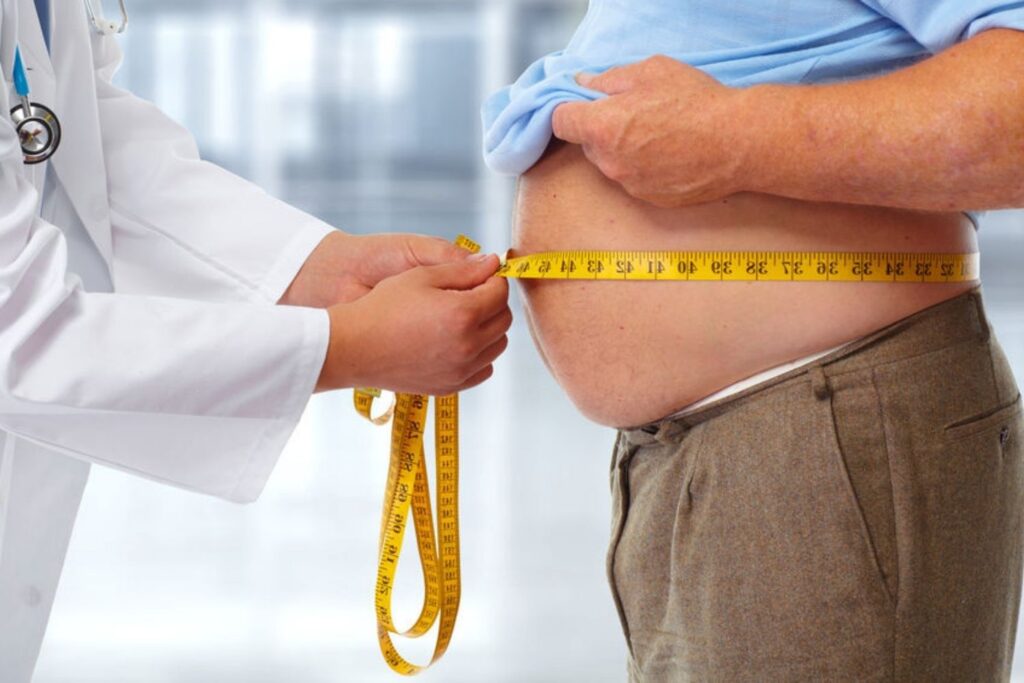
Weight Loss Surgery in Ludhiana
If you have been struggling with obesity despite following diet plans, exercise programmes, or medications, weight loss surgery may be an option to consider. Bariatric surgery is a medical treatment for obesity, not simply a cosmetic procedure. For appropriately selected patients, it can support substantial weight loss and improve several obesity-related health conditions when combined with long-term lifestyle and medical follow-up.
Dr. Harpreet Singh Jolly is an experienced bariatric and laparoscopic surgeon in Ludhiana, providing advanced minimally invasive weight loss surgery for patients with obesity and obesity-related medical conditions.
What is Weight Loss Surgery?
Weight loss surgery, also known as metabolic and bariatric surgery, includes procedures that change the size of the stomach and, depending on the procedure, alter the digestive system. These changes can help reduce food intake, increase feelings of fullness and produce metabolic effects that support weight loss and improvement in obesity-related conditions.
In addition to weight reduction, bariatric surgery may improve or help manage conditions such as:
Type 2 diabetes
High blood pressure
Sleep apnoea
Metabolic dysfunction-associated steatotic liver disease (MASLD), previously called fatty liver disease
Joint pain related to obesity
High cholesterol
Results vary from person to person, and long-term success depends on following dietary, exercise, and medical advice after surgery.
Who May Be a Candidate for Weight Loss Surgery?
Weight loss surgery may be considered for adults with obesity when lifestyle and medical treatments have not produced adequate or lasting weight loss. Eligibility depends on factors such as BMI, obesity-related health conditions, previous treatment attempts, overall health and readiness for long-term follow-up.
Depending on current clinical guidelines and individual circumstances, metabolic and bariatric surgery may be considered for patients with:
- BMI of 35 or above, with or without obesity-related health conditions
- BMI of 30–34.9 with certain obesity-related metabolic conditions, particularly when nonsurgical treatment has not produced adequate improvement
- Other individual circumstances where a bariatric specialist determines that surgery may provide meaningful health benefits
BMI thresholds may be interpreted differently for some populations, including Asian patients. A comprehensive medical evaluation is necessary to determine whether surgery is appropriate.
What Happens Before Bariatric Surgery?
- medical history
- BMI and obesity-related conditions
- blood tests
- nutritional assessment
- evaluation of existing medications
- anaesthesia assessment
- dietary counselling
- psychological/behavioural assessment when appropriate
- discussion of procedure options
- informed consent
- pre-operative weight-management advice
Weight Loss Procedures Offered
Depending on your medical condition and weight-loss goals, Dr. Jolly may recommend procedures such as:
Sleeve Gastrectomy:A portion of the stomach is removed to create a smaller stomach, which can help reduce food intake and promote earlier fullness.
Gastric Bypass Surgery:Gastric bypass creates a smaller stomach pouch and changes the route food takes through part of the small intestine, producing both weight-loss and metabolic effects.
Revision Bariatric Surgery (when appropriate):Revision surgery may be considered in selected patients who have complications, inadequate results or other problems following previous bariatric surgery.The choice of procedure is individualised after a comprehensive assessment.
Benefits of Weight Loss Surgery
For suitable candidates, bariatric surgery may offer:
Significant and sustained weight loss
Better control of type 2 diabetes
Improvement in high blood pressure
Relief from obesity-related joint pain
Better sleep quality in patients with sleep apnoea
Increased mobility and physical activity
Improved confidence and quality of life
Which Bariatric Surgery Is Best?
There is no single bariatric procedure that is best for every patient. The choice between sleeve gastrectomy, gastric bypass or another procedure depends on factors such as BMI, diabetes and other medical conditions, previous surgery, eating patterns, reflux, nutritional considerations and the patient’s long-term treatment goals. Your surgeon will recommend the most appropriate option after a detailed assessment.
Why Choose Dr. Harpreet Singh Jolly?
Dr. Harpreet Singh Jolly has over 20 years of surgical experience and has performed 20,000+ successful surgeries. He specialises in advanced laparoscopic and bariatric surgery and is recognised for his patient-focused, ethical, and evidence-based approach.
Patients choose Dr. Jolly for:
Extensive experience in bariatric surgery
Advanced laparoscopic techniques
Personalised treatment planning
Comprehensive pre- and post-operative support
Focus on long-term health outcomes
Modern surgical facilities at Prolife Hospital, Ludhiana
Frequently Asked Questions
Is weight loss surgery safe?
Bariatric surgery is a well-established treatment for obesity, but it is a major operation and carries potential risks. For appropriately selected patients, the potential health benefits can outweigh the risks. Safety depends on factors including the patient’s health, the procedure performed, surgical expertise and appropriate follow-up.
How much weight can I lose?
Weight loss varies considerably by procedure and individual factors. Studies show that many people lose around 15–30% of their starting body weight after weight-loss surgery, although some patients lose more or less. Your surgeon can discuss the expected range based on the procedure being considered and your individual circumstances.
Will diabetes improve after surgery?
Bariatric surgery can significantly improve blood sugar control in many people with type 2 diabetes, and some patients achieve diabetes remission. The likelihood of improvement depends on factors such as the type of surgery, duration of diabetes, baseline health and individual response.
Is bariatric surgery painful?
Some pain or discomfort is expected during the early recovery period. Laparoscopic surgery generally involves smaller incisions than open surgery and may allow a faster recovery.
How long does recovery take?
Many patients return to light daily activities within a few weeks, although full recovery depends on the procedure performed and individual healing. Your surgeon will provide personalised recovery guidance.