Best Laparoscopic Surgeon in India: What Patients Should Know Before Choosing a Minimally Invasive Surgery Expert
When a patient is advised to undergo surgery, choosing the right surgeon can be just as important as understanding the procedure itself.
Many patients search online for the best laparoscopic surgeon in India because they want an experienced surgeon, appropriate treatment, modern surgical techniques, and confidence in their healthcare decisions.
However, choosing a laparoscopic surgeon should not be based only on online rankings, advertisements, or popularity. The most appropriate surgeon depends on the patient’s condition, the procedure required, the surgeon’s relevant experience, and the quality of care available before and after surgery.
A good surgical decision begins with an informed consultation and a clear understanding of the available treatment options.
What Is Laparoscopic Surgery?
Laparoscopic surgery is a minimally invasive surgical technique in which procedures are performed through small incisions using a laparoscope, camera, and specialised surgical instruments.
The laparoscope provides a magnified view of the surgical area on a monitor, allowing the surgeon to perform many procedures through smaller access points than traditional open surgery.
For appropriately selected patients, laparoscopic surgery may offer potential benefits such as:
- Smaller surgical incisions
- Smaller scars
- Less postoperative discomfort
- Reduced blood loss in many procedures
- Shorter hospital stays for many procedures
- Faster recovery in suitable cases
- Earlier return to normal activities
Laparoscopic surgery is not suitable for every patient or every condition. The appropriate surgical approach depends on the diagnosis, complexity of the procedure, previous surgeries, and the patient’s overall health.
Why Does Laparoscopic Surgical Experience Matter?
Laparoscopic surgery requires the surgeon to work with specialised instruments while viewing the surgical field through a camera. This requires technical skill, knowledge of anatomy, careful surgical planning, and the ability to respond appropriately to findings during the procedure.
When evaluating a laparoscopic surgeon, patients may consider:
- Experience with the specific procedure they require
- Training and expertise in minimally invasive surgery
- Experience managing different clinical situations
- Ability to explain treatment options clearly
- Appropriate pre-operative and post-operative care
The total number of surgeries performed can provide useful context, but relevant experience with the specific procedure and condition is particularly important.
Specialised Expertise Matters
Laparoscopic surgery covers a wide range of procedures and surgical conditions. Patients should look for a surgeon whose experience matches their specific medical requirement.
Advanced Laparoscopic Surgery
Advanced laparoscopic surgery involves minimally invasive techniques used for a range of abdominal and gastrointestinal procedures. The surgeon’s experience with the specific operation is an important consideration.
Bariatric Surgery
Bariatric or metabolic surgery requires specialised knowledge of obesity, metabolic conditions, nutrition, surgical techniques, and long-term follow-up.
Gastrointestinal Surgery
Gastrointestinal surgery involves conditions affecting the digestive system, including the stomach, intestines, gallbladder, and other abdominal organs. Treatment may involve laparoscopic or open surgery depending on the condition.
The right surgeon is therefore not necessarily the person with the highest number of procedures, but the surgeon whose expertise is appropriate for the patient’s specific condition and treatment needs.
What Should You Expect During a Surgical Consultation?
A good consultation should help you understand your diagnosis and available treatment options.
Your surgeon may:
- Review your symptoms and medical history
- Perform a clinical examination
- Review previous reports and investigations
- Recommend additional tests when necessary
- Explain the diagnosis
- Discuss surgical and non-surgical treatment options
- Explain whether laparoscopic surgery is appropriate
- Discuss potential benefits, risks, and alternatives
- Explain expected recovery and follow-up care
Patients should feel comfortable asking questions and seeking clarification before making a decision about surgery.
Technology Supports Surgery, But Clinical Judgement Matters
Modern laparoscopic surgery uses high-definition cameras, specialised instruments, and advanced surgical equipment.
These technologies can help surgeons perform procedures through small access points, but equipment alone does not determine the quality of surgical care.
The surgeon must consider factors such as:
- Patient anatomy
- The nature and severity of the condition
- Previous abdominal surgeries
- Findings during the operation
- Potential risks
- Whether minimally invasive surgery remains appropriate
Good surgical care combines appropriate technology with clinical judgement, technical expertise, and careful patient selection.
Why Does Hospital Infrastructure Matter?
Laparoscopic surgery is supported by a wider healthcare team and hospital infrastructure.
When choosing where to undergo surgery, patients may consider the availability of:
- Qualified anaesthesia professionals
- Trained nursing teams
- Surgical support staff
- Diagnostic and imaging facilities
- Post-operative monitoring
- Emergency medical support
- Critical care facilities when required
The surgeon and hospital work together to provide care throughout the surgical journey.
Who May Be Suitable for Laparoscopic Surgery?
Not every patient or condition is suitable for laparoscopic surgery.
The decision may depend on:
- The type of condition
- Severity of the disease
- Previous abdominal or pelvic surgeries
- Overall health
- Patient anatomy
- The complexity of the procedure
- The surgeon’s clinical assessment
After evaluating these factors, the surgeon can recommend whether laparoscopic, open, or another treatment approach is most appropriate.
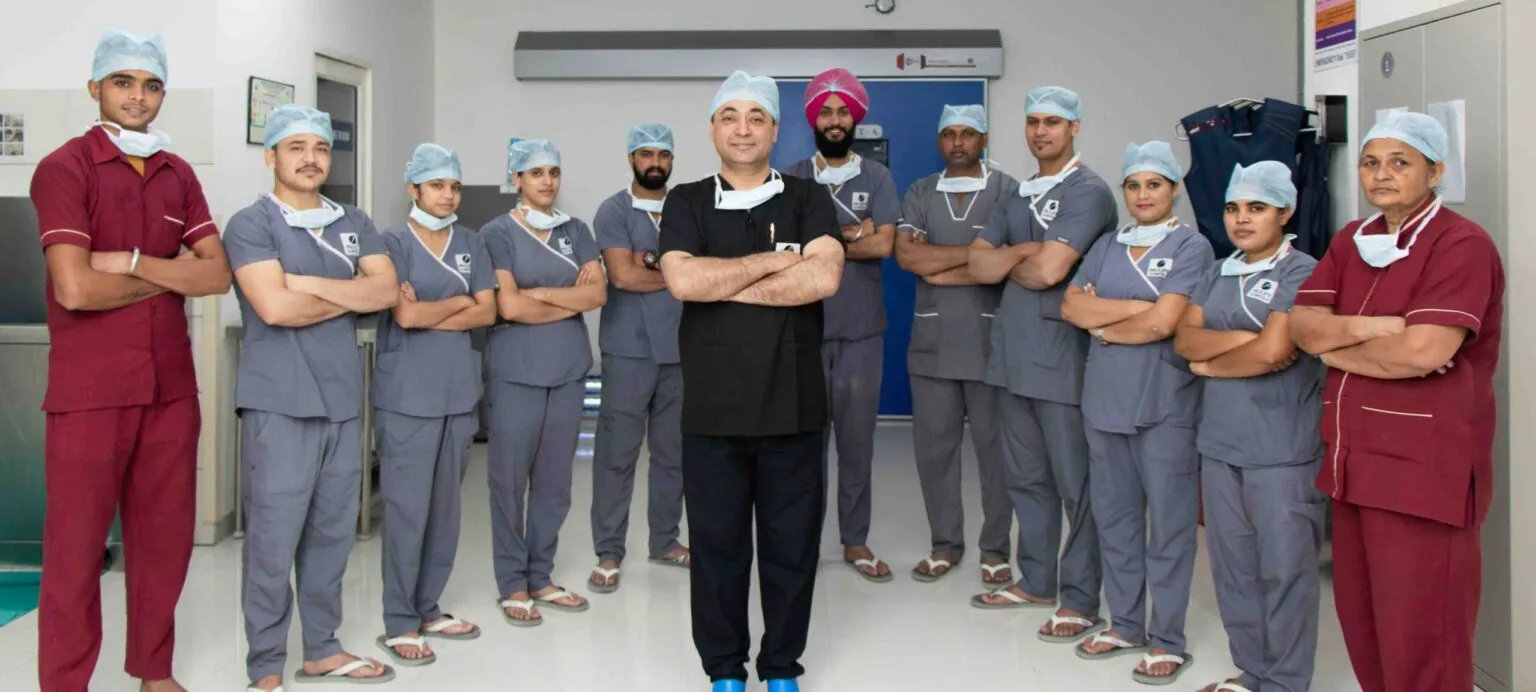
Dr. Harpreet Singh Jolly: Laparoscopic Surgical Expertise in India
Dr. Harpreet Singh Jolly is a senior surgeon and the Director & Chief Consultant at Prolife Hospital, Ludhiana.
With more than 20 years of surgical experience and over 20,000 surgeries performed, Dr. Jolly specialises in advanced laparoscopic, bariatric, gastrointestinal, and general surgery.
His surgical approach includes:
- Individual assessment of each patient
- Personalised treatment planning
- Advanced laparoscopic techniques when clinically appropriate
- Clear discussion of treatment options
- Comprehensive pre-operative and post-operative care
For patients searching for the best laparoscopic surgeon in India, the decision should be based on relevant surgical expertise, experience with the required procedure, appropriate hospital support, and the quality of communication and care provided.
Questions to Ask Before Choosing a Laparoscopic Surgeon
How experienced are you with my specific procedure?
Ask about the surgeon’s experience with the particular operation you may require rather than relying only on their overall surgical experience.
Is laparoscopic surgery suitable for my condition?
Ask why laparoscopic surgery is recommended and whether open surgery, medication, endoscopic treatment, or another approach may be appropriate.
What are the potential risks and benefits?
Your surgeon should explain the expected benefits, possible complications, alternatives, and factors that may affect your outcome.
How long will recovery take?
Recovery depends on the procedure and individual health. Ask when you may be able to walk, return to work, drive, exercise, and resume normal activities.
What follow-up care will I receive?
Ask about post-operative appointments, wound care, dietary guidance, medications, activity restrictions, and when you should seek medical attention.
Frequently Asked Questions
Who is the best laparoscopic surgeon in India?
There is no single surgeon who is the best choice for every patient or every procedure. Patients should consider relevant surgical expertise, experience with the specific procedure, appropriate hospital facilities, communication, and comprehensive patient care.
Is laparoscopic surgery better than traditional open surgery?
Laparoscopic surgery may offer benefits such as smaller incisions, less postoperative discomfort, and faster recovery for appropriately selected patients. However, open surgery may be more appropriate for certain conditions or complex procedures. The decision should be based on the patient’s individual circumstances.
What makes a laparoscopic surgeon different from a general surgeon?
Laparoscopic surgery is a minimally invasive approach that requires specific technical skills and experience with laparoscopic instruments and equipment. Many general surgeons also specialise in laparoscopic surgery, while others may focus on different surgical areas. Patients should consider the surgeon’s experience with the specific laparoscopic procedure they require.
Is laparoscopic surgery safe?
Laparoscopic surgery is a well-established surgical approach. Like all operations, it carries potential risks. For appropriately selected patients, it can be a safe and effective treatment option when performed by a trained surgical team with appropriate pre-operative assessment and post-operative care.
Can every surgery be performed laparoscopically?
No. Some procedures are more suitable for laparoscopic treatment than others, and certain complex conditions may require open surgery. The decision depends on the patient’s condition, anatomy, previous surgeries, and the complexity of the procedure.
How should I choose a laparoscopic surgeon?
Consider the surgeon’s relevant qualifications, experience with your specific procedure, expertise in minimally invasive techniques, hospital facilities, communication, and approach to pre-operative and post-operative care. A consultation can help you determine whether the surgeon is appropriate for your specific needs.
Final Thoughts
Searching for the best laparoscopic surgeon in India should involve more than finding the most visible or highly advertised name.
Patients should consider whether the surgeon has relevant expertise for their condition, experience with the procedure they require, access to appropriate hospital support, and a clear approach to discussing treatment options, risks, recovery, and follow-up care.
Laparoscopic surgery has become an important part of modern surgical care, but the choice of surgical approach should always be based on the patient’s individual condition and clinical assessment.
An informed consultation can help patients understand their options and make a confident healthcare decision.